How Can I Help My Child Learn to Blend Sounds When Reading?
Teach sound blending step by step so your child can combine letter sounds into words and decode more independently while reading.

What Is Sound Blending?
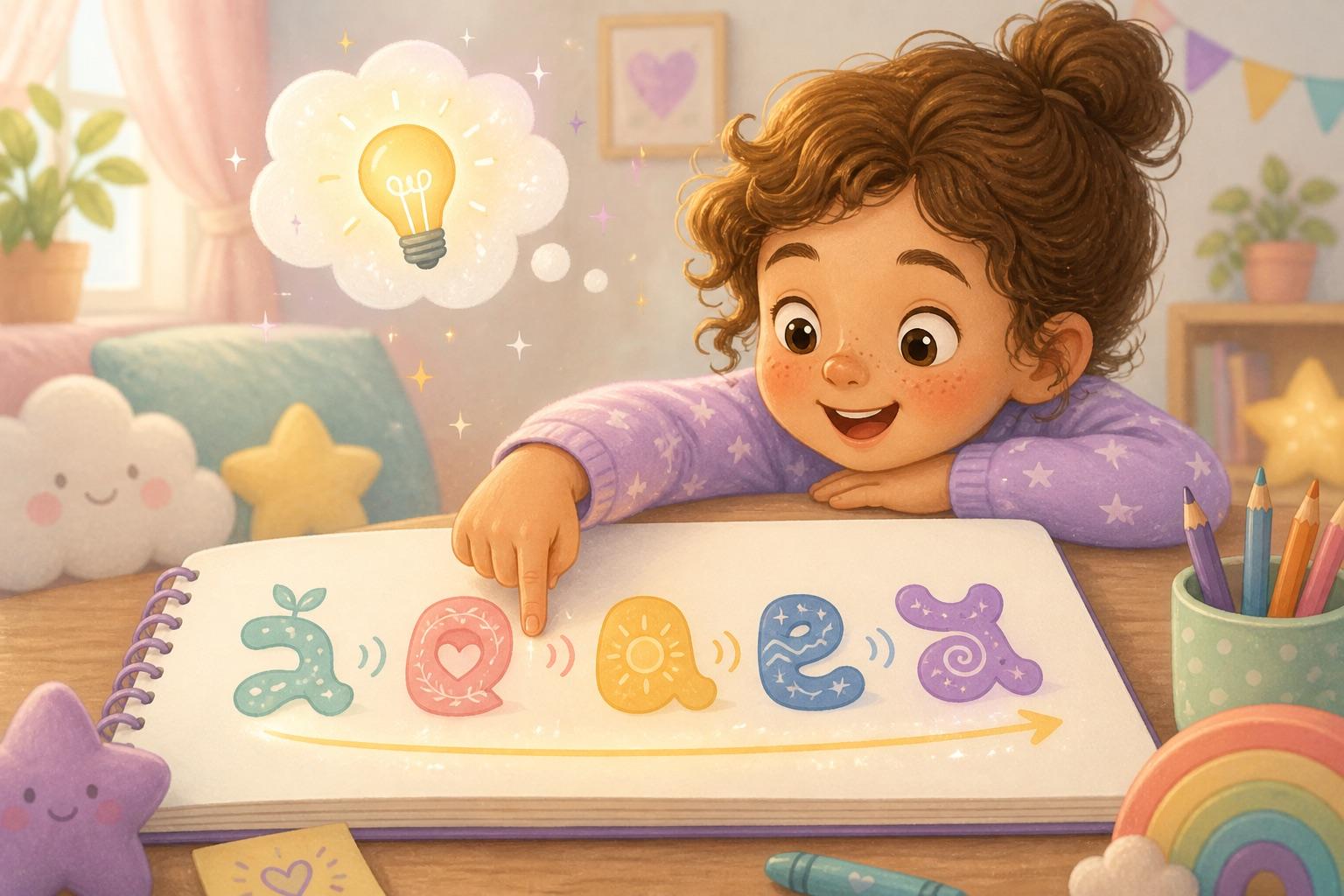
Sound blending is the ability to combine individual letter sounds together to read a word.
For example, when reading the word map, a child learns to:
- Say /m/
- Say /a/
- Say /p/
- Blend the sounds together to read “map”
Blending helps children move from recognizing individual letters to reading complete words.
To learn more about how children develop reading skills, explore our guide on Understanding the Science of Reading.
Why Is Blending Important for Early Readers?
Children who develop strong blending skills have a foundation for becoming accurate and fluent readers.
Blending helps children:
- Read new words independently
- Improve decoding skills
- Build reading confidence
- Recognize spelling patterns
- Read more smoothly
Without blending skills, children may become frustrated because they recognize letters but cannot figure out how those letters work together.
Start With Simple Words
When teaching blending, begin with simple words that contain sounds your child already knows.
Consonant-vowel-consonant (CVC) words are often a great place to start.
Examples include:
- cat
- sun
- dog
- map
- sit
Start slowly and encourage your child to say each sound clearly before putting them together.
For example:
/c/ /a/ /t/
Then:
cat
As your child becomes more comfortable, gradually introduce longer and more complex words.
Practice Continuous Blending
Some children struggle because they say each sound separately and then lose track of the word. Continuous blending can make the process easier.
Instead of stopping between sounds, encourage your child to stretch sounds together.
For example:
/mmmmmaaaap/
This helps children hear how sounds connect and makes it easier to transition from sounding out words to reading them smoothly.
Use Letter Sounds, Not Letter Names
When practicing blending, make sure your child is using letter sounds rather than letter names.
For example, when reading the word “sat,” children should say:
/s/ /a/ /t/
Not:
“ess, ay, tee”
Using sounds helps children connect the spoken sounds of words to the letters they see on the page.
Practice With Word Families
Word families help children recognize patterns and build confidence.
Examples include:
- -at words: cat, hat, bat, mat
- -op words: hop, mop, top
- -in words: pin, win, fin
Once children understand one pattern, they can use that knowledge to read many new words.
This helps children see that reading is based on predictable patterns rather than memorizing every word.
Use Decodable Books to Build Confidence
Children need opportunities to practice blending skills in meaningful reading experiences. Decodable books are designed to help children apply the phonics patterns they have learned.
Because the words follow predictable spelling patterns, children can focus on using their decoding skills instead of guessing.
Decodable books help children:
- Practice blending in real stories
- Build accuracy
- Improve fluency
- Gain confidence as readers
Learn more about how decodable texts support early literacy in What Are Decodable Books and Why Are They Important?.
Make Blending Practice Fun
Blending practice does not have to feel like extra homework. Short, engaging activities can help children strengthen this skill naturally.
Try:
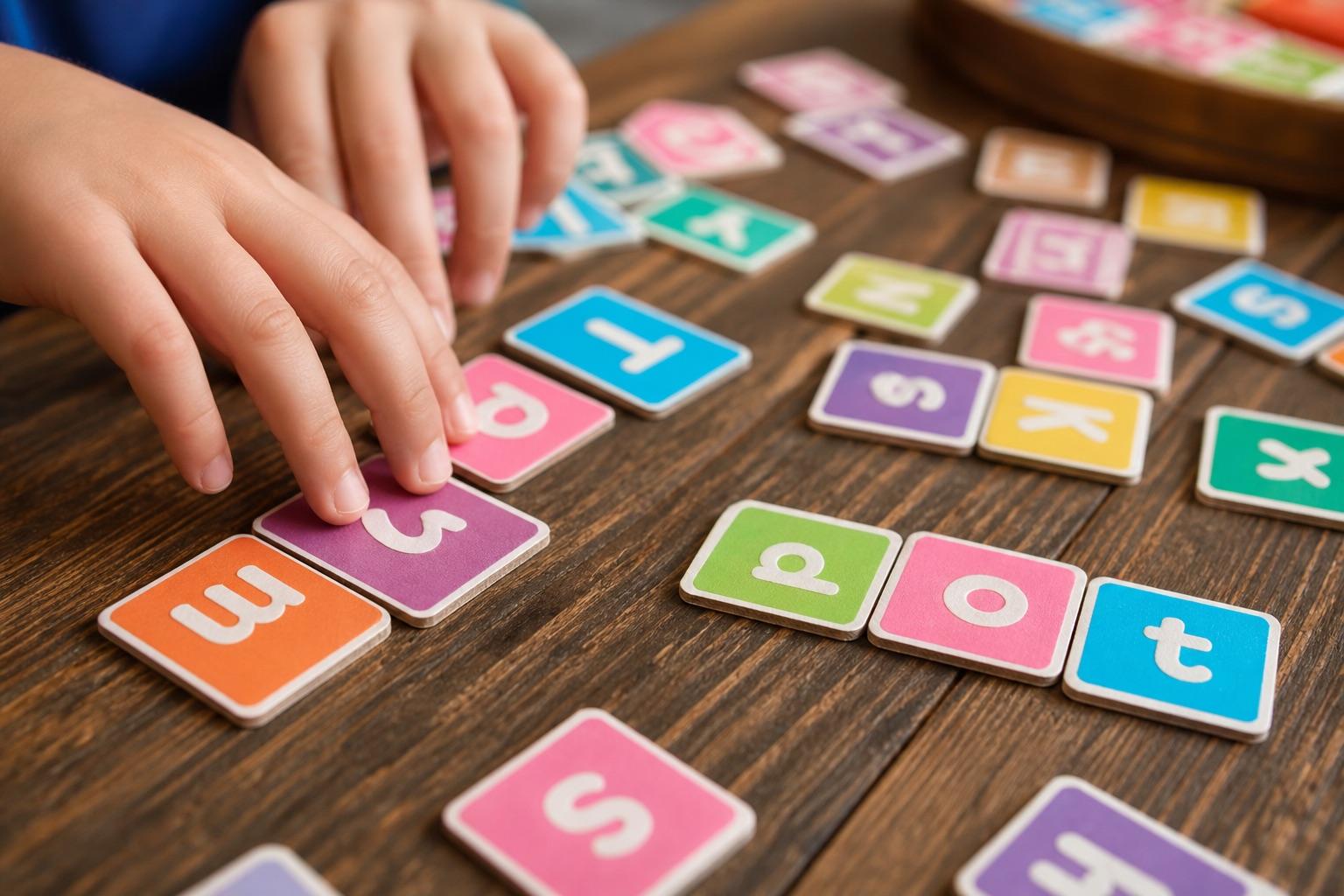
- Building words with magnetic letters
- Having your child “stretch” words like a rubber band
- Playing word-building games
- Finding words with specific sounds around the house
- Taking turns reading simple words
Keep sessions positive and celebrate progress.
Help Your Child When They Get Stuck
If your child struggles with a word, avoid immediately giving them the answer. Instead, guide them through the process.
Try asking:
- What sound does the first letter make?
- What vowel sound do you hear?
- Can we blend those sounds together?
- Have we seen this pattern before?
This teaches children that they have strategies they can use when reading becomes difficult.
Personalize Practice for Your Child
Every child learns blending skills at a different pace. Some children quickly master simple words, while others need more practice with consonant blends, vowel patterns, or longer words.
Literacy Leap creates individualized reading activities based on each child’s assessment results. Children receive targeted phonics practice, personalized passages, and activities designed around their current reading abilities.
Parents can also access progress reports that provide insight into their child’s strengths and areas for growth.
Build Strong Reading Habits Over Time
Parents can continue supporting literacy growth by:
- Reading aloud together
- Practicing phonics skills regularly
- Encouraging independent reading
- Celebrating small successes
For more ideas on creating a consistent literacy routine, read How to Build a Consistent Reading Routine for Your Child.
Help Your Child Become a Confident Reader
Sound blending gives children one of the most important tools they need to become successful readers. By learning how sounds work together, children can decode new words, read more independently, and develop confidence in their abilities.
If you are looking for personalized reading support, sign up for a free Literacy Leap account today. Literacy Leap helps children strengthen phonics skills through personalized activities, decodable passages, and progress tracking.
With consistent practice and encouragement, your child can build the blending skills needed for a strong foundation in reading.