How Can I Build a Consistent Reading Routine for My Child?
Create a consistent reading routine for kids with simple daily habits, bedtime rituals, and tips that make practice stick without power struggles.


One of the best ways to help your child become a confident reader is by creating a consistent reading routine. Just like brushing their teeth or getting ready for bed, reading becomes easier and more enjoyable when it is part of your child's daily schedule.
The good news is that you do not need hours of free time to make a difference. Even 15 to 20 minutes of intentional reading practice each day can significantly improve your child's decoding, fluency, vocabulary, and comprehension. Here are practical strategies to help you build a reading routine your child will actually look forward to.
Choose a Consistent Time Each Day
Children thrive on routines. Reading at the same time every day helps establish expectations and reduces resistance.
Some families find success by reading:
- Before bedtime
- Right after school
- During breakfast
- After dinner
- During quiet time on weekends
Create a Dedicated Reading Space
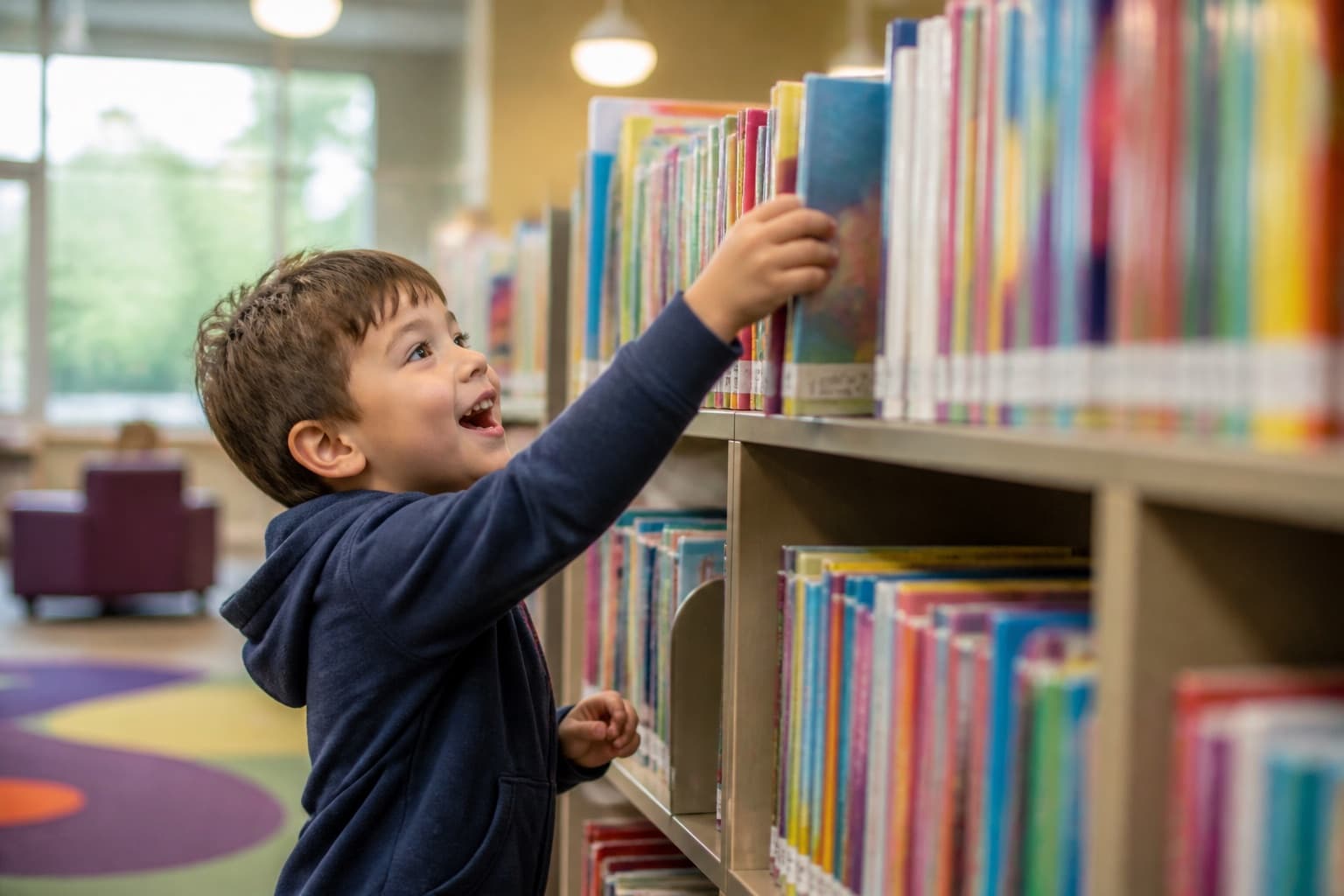
A comfortable reading environment helps children focus.
Your reading space does not have to be elaborate. Simply choose a quiet area with:
- Comfortable seating
- Good lighting
- Easy access to books
- Minimal distractions
Keeping reading materials visible encourages children to pick up books throughout the day.
Set Small, Achievable Goals
Avoid overwhelming your child with long reading sessions.
Instead, focus on manageable goals such as:
- Reading one decodable story
- Practicing one phonics skill
- Reading for 15 minutes
- Learning five new words
As your child's confidence grows, you can gradually increase the difficulty and length of each session.
Make Reading Interactive
Reading should feel like a conversation, not a test.
Ask questions before, during, and after reading:
- What do you think this story will be about?
- Can you sound out that word?
- What happened first?
- Why do you think the character made that decision?
- What was your favorite part?
These discussions improve comprehension while keeping children actively engaged.
For more comprehension strategies, visit How Can I Build Early Literacy Skills Before and During Elementary School
Read Books That Match Your Child's Skills
Many children lose confidence when books are too difficult.
Instead, choose books that align with the phonics patterns your child has already learned. Decodable books allow children to practice new skills while experiencing success, which builds motivation to keep reading.
If you are unfamiliar with decodable texts, our article What Are Decodable Books? explains why they are one of the most effective tools for beginning readers.
Let Your Child Have Some Choice
While structured reading practice is important, giving children some control can increase motivation.
Allow your child to choose:
- Which book to read first
- Where to read
- Which stuffed animal listens to the story
- Which sticker or reward they earn after reading
Small choices help children feel ownership over their reading routine.
Track Progress Together
Children love seeing their accomplishments.
Create a simple reading tracker where your child can:
- Color in a star after each reading session
- Add stickers to a chart
- Check off completed books
- Celebrate reaching weekly goals
Visual progress reinforces consistency and builds excitement.
Use Personalized Reading Practice
Every child develops reading skills at a different pace. Some need extra practice with blends, while others are ready for more advanced phonics patterns.
Literacy Leap creates personalized reading practice based on your child's individual assessment results. Instead of guessing what to work on next, children receive targeted passages and activities designed specifically for their current reading level.
Celebrate Effort, Not Just Success
Learning to read is a journey.
Instead of focusing only on perfect reading, celebrate effort by praising things like:
- Trying difficult words
- Reading every day
- Staying focused
- Using phonics strategies independently
- Showing perseverance
Positive encouragement builds confidence and helps children develop a lifelong love of reading.
Be Flexible When Life Gets Busy
Some days your routine may not go as planned.
If your child has sports practice, family events, or simply feels tired, shorten the reading session instead of skipping it entirely. Reading for 10 minutes is still valuable and helps maintain the habit.
Build a Reading Habit That Lasts
The strongest reading routines are simple, enjoyable, and sustainable. By reading together every day, choosing books that match your child's abilities, celebrating progress, and creating positive experiences around literacy, you are helping your child build skills that will benefit them for years to come.
If you are looking for personalized reading support that fits into your daily routine, sign up for a free Literacy Leap account. Literacy Leap provides individualized reading practice, engaging decodable passages, and progress tracking that helps both children and parents stay motivated.