How Do Word Families Help Children Learn to Read?
Word families help beginning readers spot shared spelling patterns so they can decode new words faster and build reading confidence at home.

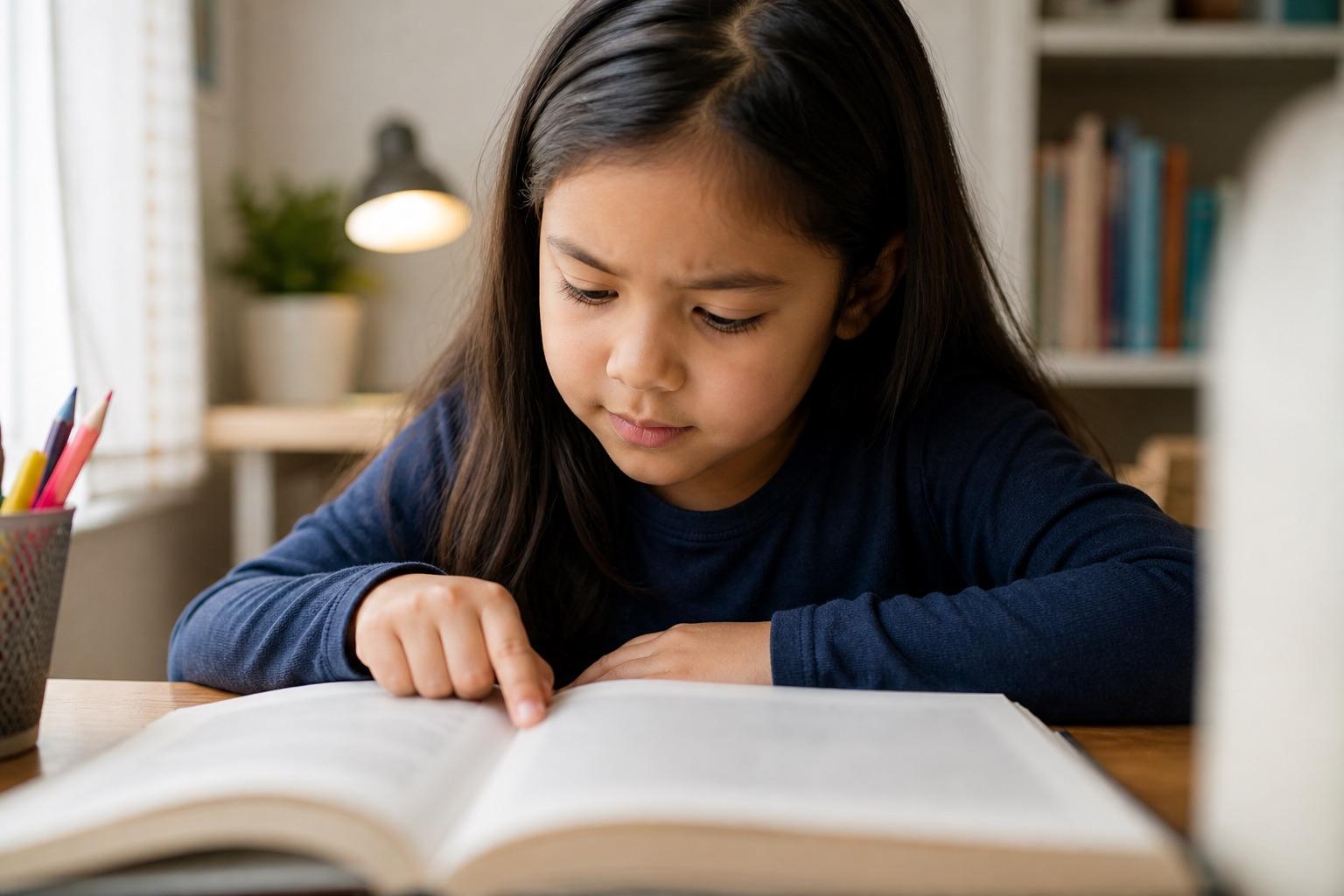
Learning to read requires children to understand how letters, sounds, and spelling patterns work together. For beginning readers, this process can feel challenging because they are learning how to recognize and decode many new words.
Word families are a helpful tool that can make early reading easier by showing children patterns they can recognize and apply. By learning groups of words that share similar sounds and spelling patterns, children can build confidence, improve decoding skills, and become more independent readers.
What Are Word Families?
Word families are groups of words that share the same ending sound and spelling pattern, also called a rime.
For example, the -at word family includes:
- Cat
- Bat
- Hat
- Sat
- Mat
The -ig word family includes:
- Pig
- Dig
- Big
- Wig
When children learn one word family, they can use that knowledge to read many related words.
Instead of memorizing each word individually, children begin recognizing patterns that help them decode new words.
Why Are Word Families Important for Early Readers?
Word families help children understand that words are connected. English contains many spelling patterns, and recognizing these patterns makes reading easier and more predictable.
Learning word families helps children:
- Recognize common spelling patterns
- Improve decoding skills
- Build reading fluency
- Expand vocabulary
- Develop confidence
For example, once a child understands the -ake pattern, they can more easily read words like:
- Cake
- Make
- Bake
- Lake
This allows children to use what they already know when encountering unfamiliar words.
Word Families Support Phonics Development
Phonics instruction teaches children the relationship between letters and sounds. Word families reinforce phonics by helping children notice patterns within words.
Instead of viewing every word as completely new, children begin asking:
“What pattern do I recognize?”
For example:
If a child knows how to read “light,” they may be able to use the -ight pattern to read:
- Night
- Bright
- Sight
This pattern recognition supports stronger decoding skills and helps children become more efficient readers.
To learn more about the importance of phonics instruction, explore Why Is Phonics Instruction Essential for Developing Strong Readers?.
Help Children Decode New Words
One of the biggest benefits of word families is that they help children approach unfamiliar words with strategies.
A beginning reader may see the word “jump” and feel unsure how to read it. However, if they already understand patterns like -ump, they can connect the word to other familiar examples.
Word families encourage children to:
- Look for familiar sounds
- Break words into parts
- Blend sounds together
- Use patterns instead of guessing
These skills are important for becoming independent readers.
Build Reading Fluency
Fluency develops when children can read words accurately and automatically. When children recognize common patterns, they spend less time figuring out individual sounds and more time understanding what they are reading.
For example, a child who knows several -an words can quickly recognize:
- Can
- Man
- Fan
- Plan
Fluency allows children to focus more on meaning, which supports reading comprehension.
Make Reading Practice More Engaging
Word family activities can make literacy practice interactive and fun.
Parents and educators can try activities such as:
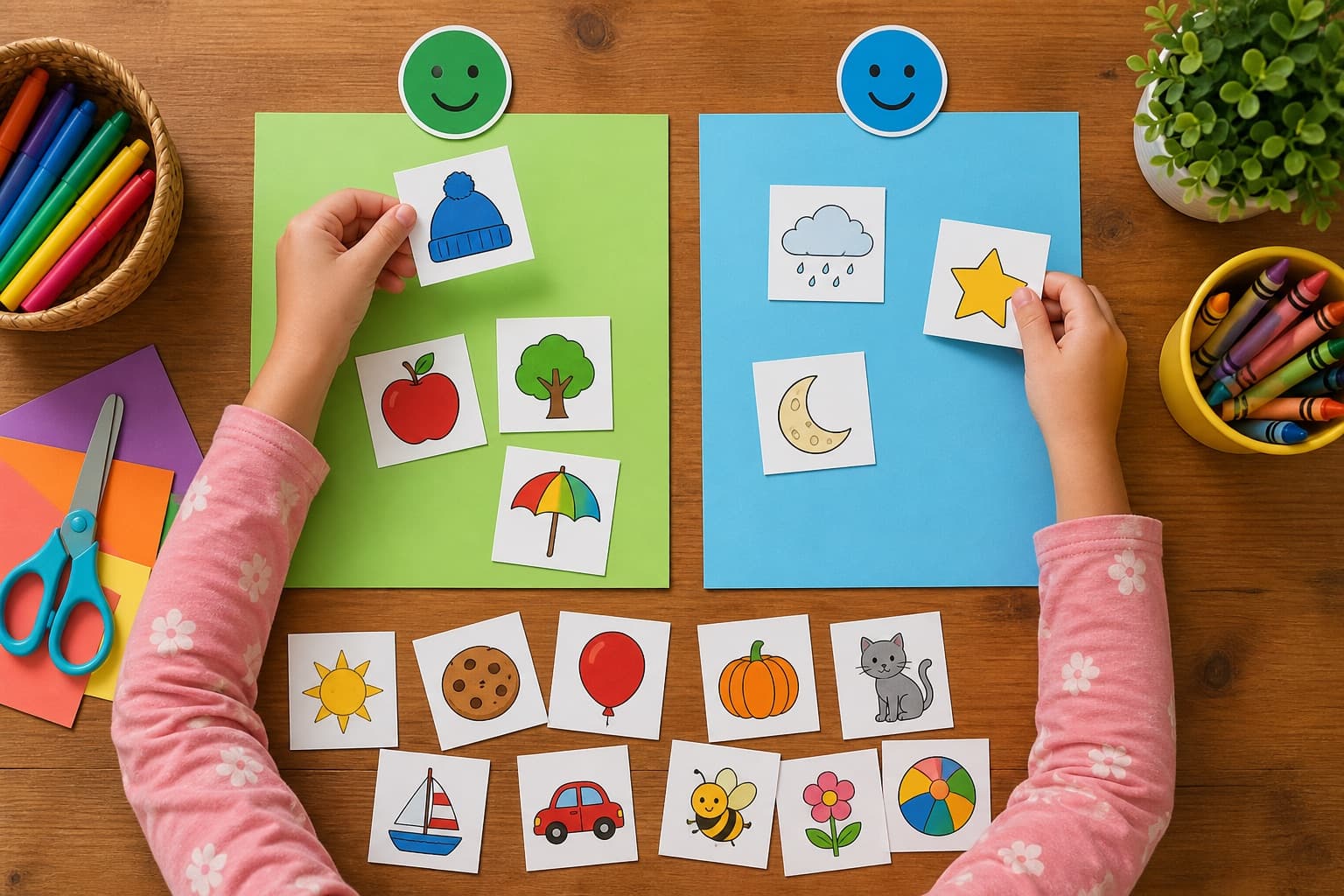
Word Sorting
Give children a group of words and ask them to sort them by family.
Example:
-op family:
- Hop
- Top
- Mop
-en family:
- Hen
- Pen
- Ten
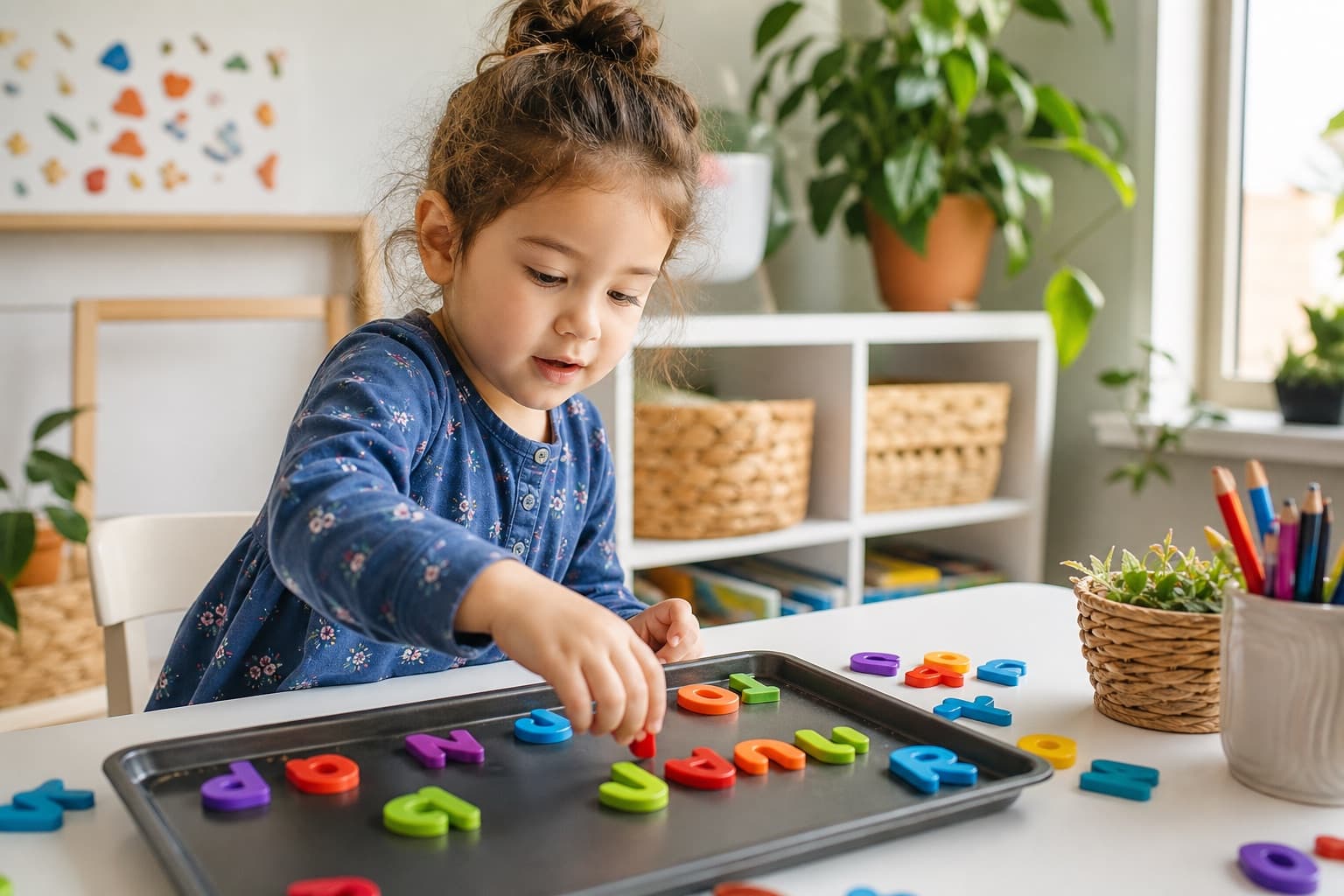
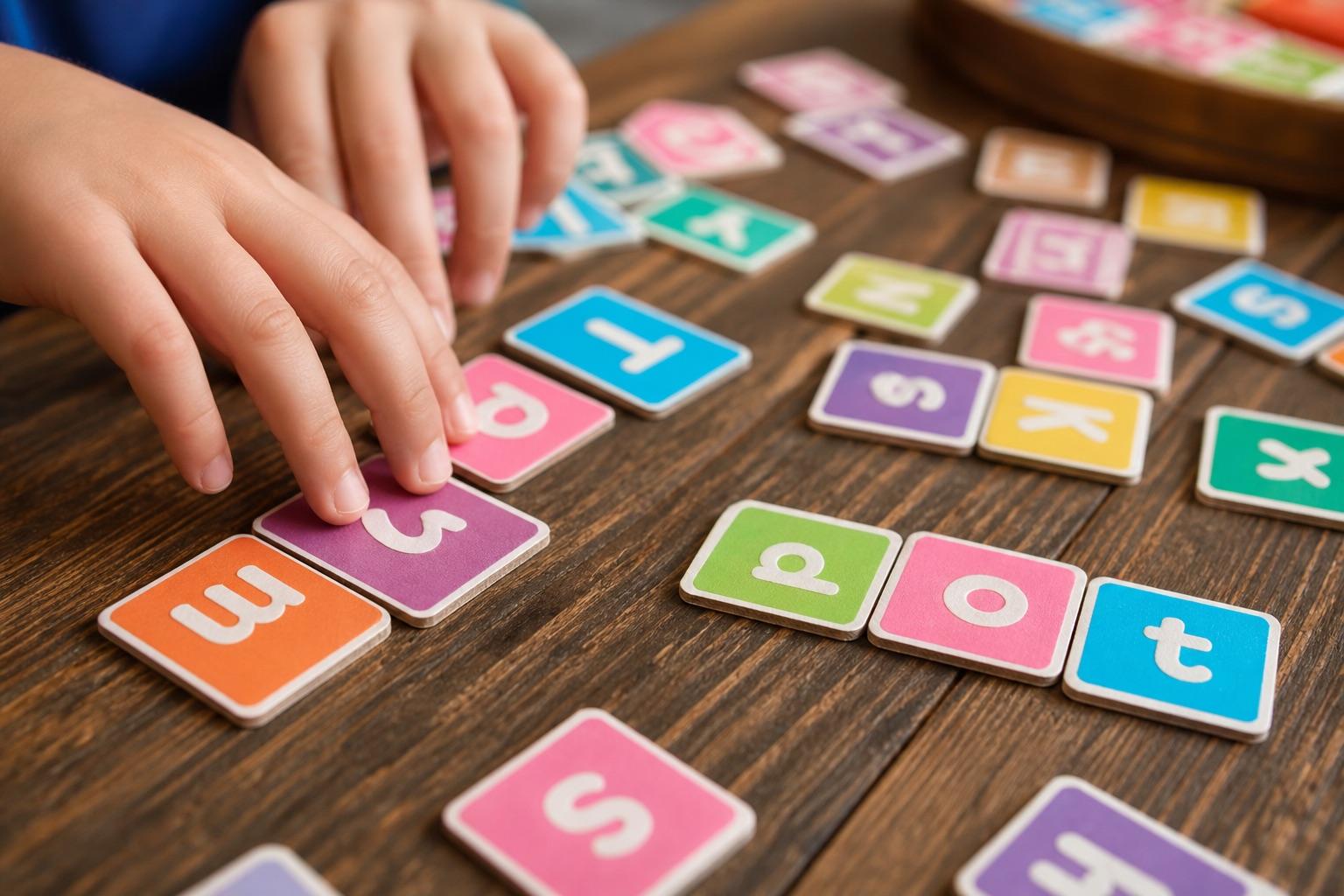
Word Building
Use letter tiles or cards to create new words.
Start with:
“Can”
Then change the first letter:
- Can
- Man
- Fan
- Van
This helps children see how changing one sound creates a new word.
Word Family Books
Create simple books using words from one word family. Children can practice reading familiar patterns while building confidence.
Combine Word Families With Decodable Texts
Word families are most effective when children have opportunities to apply their skills in meaningful reading.
Decodable texts allow children to practice words that follow the phonics patterns they are learning. They reinforce the connection between phonics knowledge and real reading experiences.
Decodable passages help children:
- Practice new word patterns
- Strengthen decoding skills
- Improve accuracy
- Build confidence
Learn more about how decodable texts support beginning readers in Why Do Decodable Texts Matter for Early Reading Development?.
Use Personalized Practice to Support Reading Growth
Every child learns reading skills at a different pace. Some children may quickly recognize word families, while others may need additional practice with specific sounds and patterns.
Literacy Leap uses assessment-based learning to identify each child’s reading needs and provide personalized reading practice.
Children receive:
- Skill-based reading activities
- Personalized decodable passages
- Targeted phonics practice
- Progress tracking for families
This allows children to practice word patterns and other literacy skills at the right level.
How Parents Can Practice Word Families at Home
Parents can support word family development through short, consistent activities.
Try:
- Finding word families while reading books
- Creating new words from familiar patterns
- Making word family flashcards
- Writing sentences with new words
- Playing word games
A few minutes of daily practice can help children strengthen pattern recognition and reading confidence.
For more strategies to create consistent literacy habits, read How Can I Build a Consistent Reading Practice Into My Child’s Daily Routine?.
Help Your Child Build Strong Reading Foundations
Word families give children an important tool for understanding how words work. By recognizing common patterns, children can decode new words more easily, improve fluency, and develop confidence as readers.
If you want personalized support for your child’s literacy development, sign up for a free Literacy Leap account today. Literacy Leap helps children strengthen reading skills through personalized activities, decodable passages, and progress tracking.