The Science of Reading: A Complete Guide for Parents and Teachers
A clear guide to the Science of Reading for parents and teachers: phonics, structured literacy, Scarborough’s Reading Rope, and strategies that actually work.

Introduction: What Is the Science of Reading?
Learning to read isn't something that happens naturally for most children. Unlike learning to speak, reading requires the brain to connect sounds, letters, words, and meaning through explicit instruction and practice. Understanding how children develop these skills has been the focus of decades of research across education, psychology, neuroscience, and linguistics.
This body of evidence is known as the Science of Reading. Rather than being a single curriculum or teaching method, it brings together what researchers have learned about how children become successful readers and which instructional practices are most effective.
Whether you're a parent supporting reading at home or an educator teaching in the classroom, understanding the Science of Reading can help you make informed decisions that build strong reading foundations.
In this guide, you'll learn:
- What the Science of Reading is
- Why phonics plays a critical role in learning to read
- How foundational reading skills work together
- What Structured Literacy looks like
- How the Science of Reading supports struggling readers
- Practical ways to apply research-based reading strategies at home and in school
What Do Parents Need to Know About the Science of Reading?
The Science of Reading is based on decades of research about how the brain learns to read. It explains that reading is not something children naturally learn simply by being exposed to books. Instead, children need explicit instruction and practice to develop the skills required for reading success.
The Science of Reading emphasizes the importance of teaching:
- Phonemic awareness, or understanding the sounds in spoken language
- Phonics, or connecting letters with sounds
- Fluency, or reading accurately and smoothly
- Vocabulary, or understanding the meaning of words
- Comprehension, or understanding and engaging with text
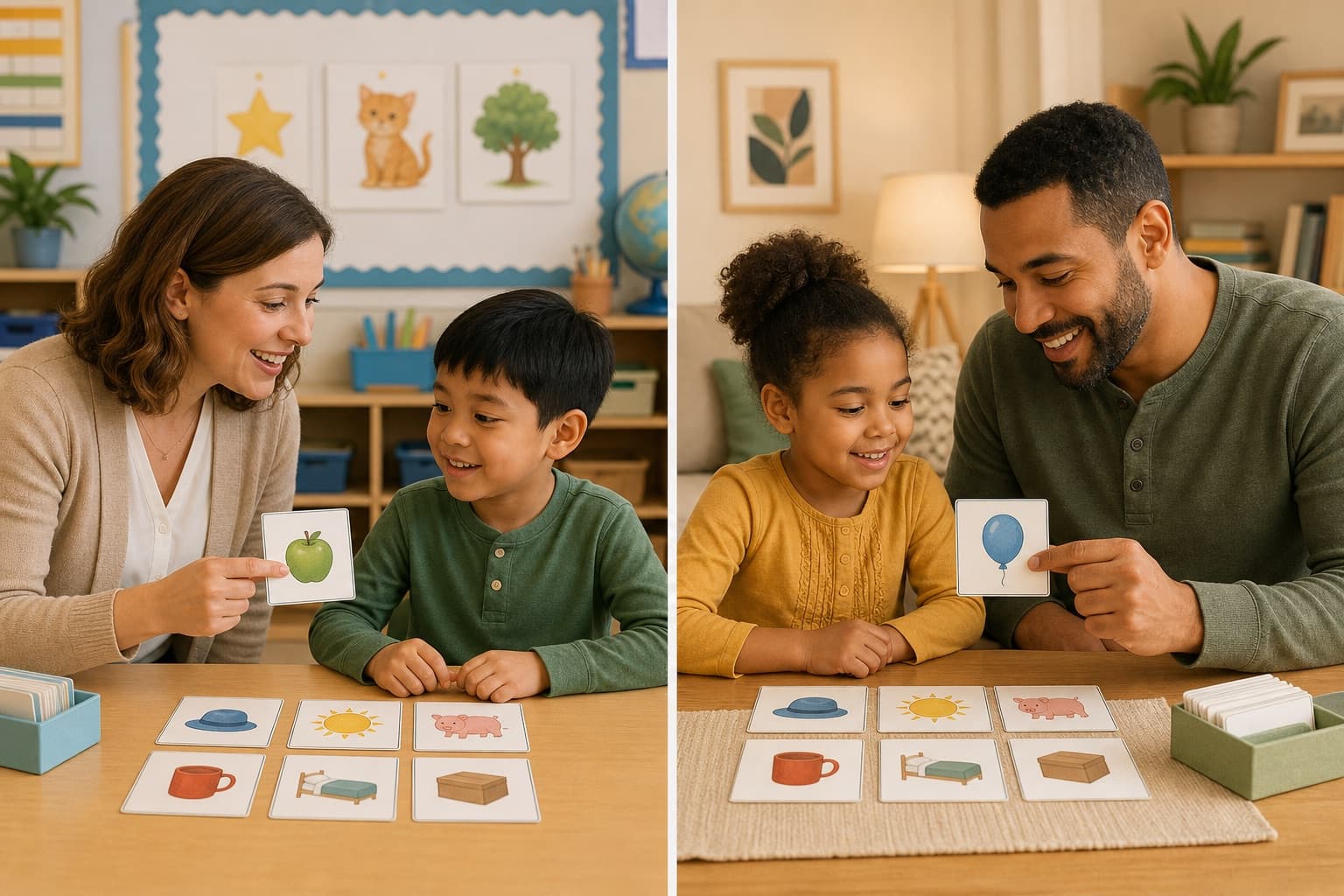
Parents can support Science of Reading practices at home by reading aloud, practicing letter sounds, encouraging word decoding, and providing opportunities for regular reading practice.
Read more: What Do Parents Need to Know About the Science of Reading?
Why Is Phonics Instruction Essential for Developing Strong Readers?
Phonics instruction teaches children the relationship between letters and sounds. This allows children to decode unfamiliar words instead of relying on guessing or memorization.
Effective phonics instruction helps children:
- Develop strong decoding skills
- Build reading confidence
- Improve accuracy
- Read more independently
- Develop stronger fluency over time
Research shows that systematic and explicit phonics instruction is especially important for beginning readers because it gives children the foundational skills needed to unlock written language.
Phonics is not the only part of learning to read, but it is a critical building block that supports future reading success. Effective phonics instruction follows a systematic sequence, introducing skills in a logical order so children can build on previously learned concepts. Rather than memorizing words, students learn patterns that allow them to decode unfamiliar words independently, a skill that supports lifelong reading success.
Read more: Why Is Phonics Instruction Essential for Developing Strong Readers?
What Is Scarborough’s Reading Rope and How Does It Explain Skilled Reading?
Scarborough’s Reading Rope is a model that explains how different reading skills work together to create skilled readers.
The model shows that reading comprehension develops through two major areas:
Word Recognition
This includes:
- Phonological awareness
- Decoding skills
- Sight recognition of familiar words
Language Comprehension
This includes:
- Background knowledge
- Vocabulary
- Language structures
- Verbal reasoning
- Literacy knowledge
As children strengthen these individual skills, they become increasingly connected and automatic. Over time, these strands combine to create skilled reading.
Scarborough’s Reading Rope helps parents and educators understand that reading is not one single skill. Strong readers need both the ability to recognize words and the ability to understand meaning. The Reading Rope also reminds us that no single skill is enough on its own. A child who can decode words but has limited vocabulary may struggle with comprehension, while a child with strong language skills still needs accurate word recognition to become a fluent reader. Successful reading happens when all of these strands become increasingly connected over time.
What Is Structured Literacy and Why Is It an Effective Approach to Teaching Reading?
Structured Literacy is a research-based approach to teaching reading that follows the principles supported by the Science of Reading.
This approach provides explicit, systematic instruction that helps children understand how language works.
Structured Literacy typically includes instruction in:
- Phonology, or speech sounds
- Sound-symbol relationships
- Syllable patterns
- Morphology, or meaningful word parts
- Grammar
- Reading comprehension
Instead of expecting children to figure out reading patterns independently, Structured Literacy teaches skills directly and builds knowledge step by step.
This approach can benefit all learners, but it is especially helpful for children who need additional support developing reading skills. Lessons are intentionally sequenced so children master one concept before moving to the next. Teachers provide clear explanations, guided practice, immediate feedback, and frequent review to help students develop automatic reading skills. This structured approach supports both beginning readers and those who need additional intervention.
Read more: What Is Structured Literacy and Why Is It an Effective Approach to Teaching Reading?
How Does the Science of Reading Support Struggling and Beginning Readers?
Every child learns to read at a different pace, and some children need additional support developing foundational reading skills.
Research-based reading instruction can help children:
- Build phonemic awareness
- Improve decoding abilities
- Strengthen reading fluency
- Develop confidence
- Become more independent readers
For struggling readers, it is especially important to identify skill gaps and provide targeted instruction rather than relying on general reading practice alone.
A structured approach helps children understand how reading works and gives them the tools they need to make progress.
Read more: How Does the Science of Reading Support Struggling and Beginning Readers?
How Can I Apply Science of Reading Strategies at Home and in the Classroom?
The Science of Reading is not only for teachers. Parents can use research-based strategies to support literacy development at home.
At home, families can:
- Read aloud every day
- Practice phonics skills
- Ask questions about stories
- Encourage children to sound out unfamiliar words
- Discuss new vocabulary
- Celebrate reading progress
In classrooms, educators may use Science of Reading practices through:
- Explicit instruction
- Structured phonics lessons
- Skill-based reading activities
- Progress monitoring
- Small-group support
When home and school environments reinforce similar reading strategies, children receive more consistent support.
Read more: How Can I Apply Science of Reading Strategies at Home and in the Classroom?
Common Misconceptions About the Science of Reading
Because the Science of Reading has received increased attention in recent years, there are also several common misconceptions.
The Science of Reading is not a curriculum.
It is a body of research that informs how reading should be taught.
The Science of Reading is not only about phonics.
While phonics is an essential component, effective reading instruction also includes phonemic awareness, vocabulary, fluency, language development, and comprehension.
The Science of Reading benefits all children.
Although it is especially helpful for struggling readers and students with dyslexia, research-based reading instruction supports beginning and developing readers of all ability levels.
Frequently Asked Questions About the Science of Reading
Is the Science of Reading a reading program?
No. The Science of Reading is a large body of research that explains how children learn to read and which instructional practices are most effective.
Is phonics the same as the Science of Reading?
No. Phonics is one important component of the Science of Reading, along with phonemic awareness, fluency, vocabulary, language comprehension, and reading comprehension.
Does the Science of Reading help children with dyslexia?
Research-based instruction, including systematic phonics and Structured Literacy, is widely recognized as beneficial for many students with dyslexia and other children who need explicit reading instruction.
Can parents use Science of Reading strategies at home?
Yes. Reading aloud, practicing phonics skills, discussing books, and providing consistent opportunities to read are all ways families can reinforce research-based reading instruction outside the classroom.
How Literacy Leap Supports Science of Reading Practices
Understanding the Science of Reading is only the first step. Many parents know research-based reading instruction is important but aren't sure how to put it into practice at home. Literacy Leap was designed to bridge that gap by giving families personalized guidance, engaging reading practice, and tools that align with research-based literacy instruction.
With Literacy Leap, families can:
- Identify their child’s reading strengths and areas for growth
- Receive personalized reading practice
- Support foundational literacy skills
- Track progress over time
- Make reading practice more engaging and effective
By combining research-based strategies with personalized learning, Literacy Leap helps families give children the support they need to become confident readers.
Start your child’s personalized reading journey today.
Take the Reading Assessment