How Can I Improve My Child’s Decoding Skills?
Improve your child’s decoding skills with practical phonics strategies, sound-out practice, and activities that build independent reading confidence.


Learning to read requires children to develop many connected skills, and decoding is one of the most important foundations for becoming an independent reader. Decoding allows children to use their knowledge of letters and sounds to read unfamiliar words instead of relying on memorization or guessing.
For some children, decoding develops naturally with early reading practice. Others need more structured instruction and targeted activities to strengthen this skill. By understanding how decoding works and practicing the right strategies at home, parents can help children become more confident and capable readers.
What Is Decoding in Reading?
Decoding is the ability to translate written words into spoken language by connecting letters and sounds.
For example, when a child sees the word “map,” they use their knowledge of letter sounds to identify:
- /m/
- /a/
- /p/
Then they blend those sounds together to read the word.
Why Are Decoding Skills Important?
Decoding is a key part of early literacy development because it helps children move from learning how to read to reading independently.
Strong decoding skills help children:
- Read unfamiliar words
- Improve reading accuracy
- Build fluency
- Increase confidence
- Focus on understanding the meaning of texts
Building decoding skills gives children the tools they need to solve reading challenges independently.
To learn more about how evidence-based instruction supports readers, explore How Does the Science of Reading Support Struggling and Beginning Readers?.
Strengthen Phonics Skills
Phonics is the foundation of decoding. Children need to understand how letters and sounds work together before they can successfully read unfamiliar words.
Parents can support phonics development by practicing:
- Letter sounds
- Short vowels
- Long vowels
- Consonant blends
- Digraphs
- Spelling patterns
For example, a child who understands that “sh” makes one sound can use that knowledge to read words like:
- Ship
- Shop
- Shell
Phonics instruction gives children strategies they can use when encountering new words.
Learn more about why phonics is essential for developing strong readers in Why Is Phonics Instruction Essential for Developing Strong Readers?
Practice Sound Blending
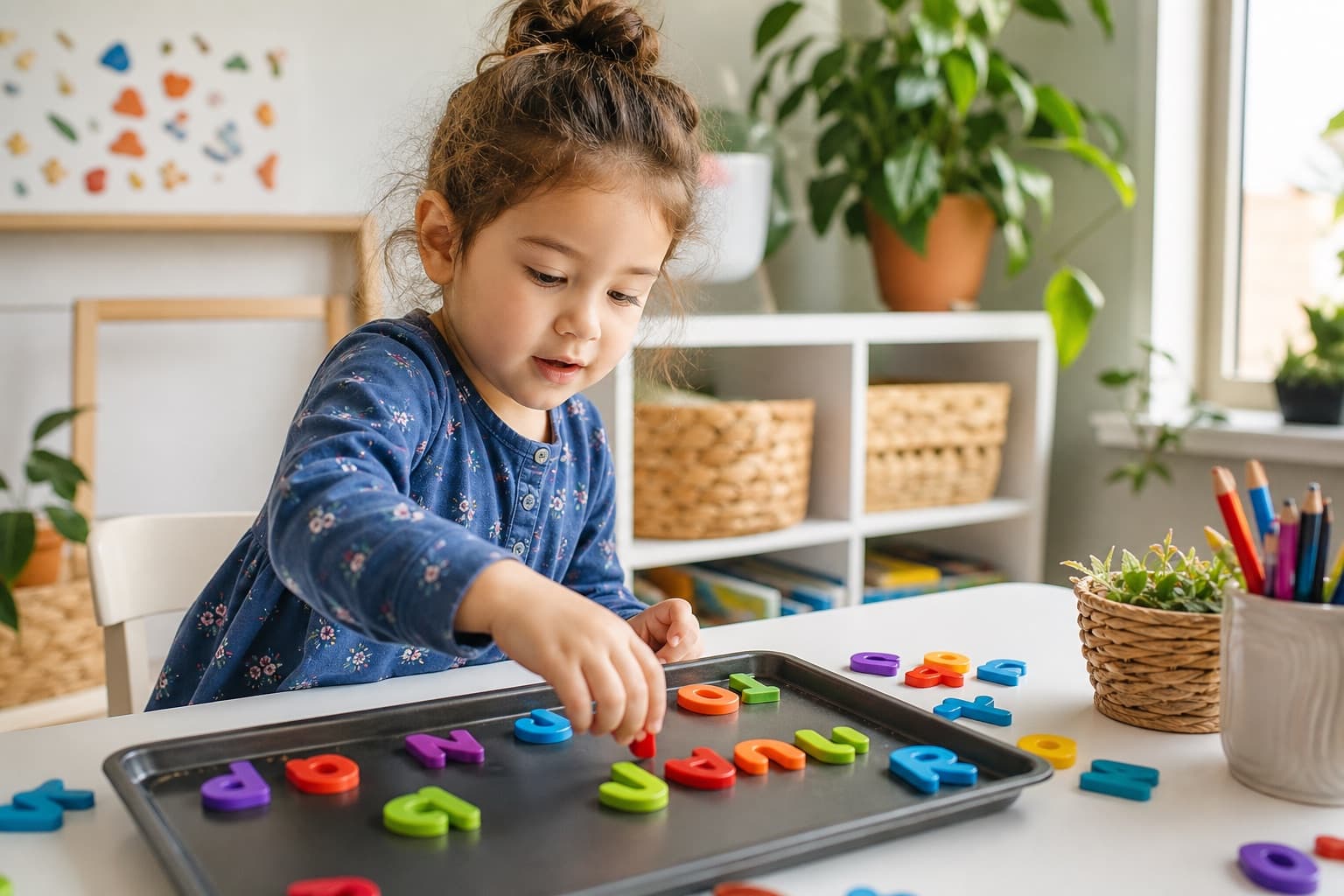
Blending is the process of combining individual sounds together to read a word. It is one of the most important decoding skills for beginning readers.
Simple blending activities include:
Stretching Out Words
Say each sound slowly:
/s/ /a/ /t/
Then ask your child to blend the sounds together:
“sat”
Using Sound Boxes
Have your child place one sound in each box before combining them into a word.
Example:
/c/ /l/ /ap/
“clap”
Building New Words
Change one sound at a time to help children notice patterns.
Example:
- Cat
- Bat
- Bag
- Big
These activities help children become more comfortable using sounds to solve words.
Encourage Children to Sound Out Words
When children encounter a difficult word, many naturally try to guess. While guessing may sometimes help them move forward, it does not build strong decoding skills.
Encourage your child to use strategies such as:
- Looking at every letter
- Identifying familiar sounds
- Breaking the word into parts
- Blending sounds together
Instead of saying, “What word do you think this is?”
Try asking:
- “What sounds do you see?”
- “What pattern do you recognize?”
- “Can you break the word into smaller parts?”
This helps children become independent problem-solvers.
Use Decodable Texts for Practice
Children improve decoding skills when they have opportunities to apply what they have learned.
Decodable passages help children:
- Apply phonics skills
- Read unfamiliar words independently
- Improve accuracy
- Build reading confidence
Learn more about the importance of decodable texts in Why Do Decodable Texts Matter for Early Reading Development?
Practice Word Patterns and Word Families
Recognizing common word patterns helps children decode more efficiently.
Word families allow children to see connections between words that share similar sounds and spelling patterns.
For example, once a child knows the -at family, they can more easily read:
- Cat
- Hat
- Bat
- Mat
Practicing patterns helps children become faster and more confident when reading new words.
Support Reading Fluency Through Repeated Practice
Fluency develops when decoding becomes more automatic.
Children can improve fluency by:
- Reading familiar passages multiple times
- Reading aloud with a parent
- Practicing short texts regularly
- Listening to fluent readers
As decoding becomes easier, children can focus more attention on comprehension and enjoying what they read.
Use Personalized Reading Practice
Every child develops decoding skills at a different pace. Some children may need additional practice with letter sounds, while others may need support with more advanced spelling patterns.
Literacy Leap uses assessment-based learning to identify a child’s reading needs and provide personalized practice.
Children receive:
- Targeted phonics activities
- Personalized decodable passages
- Skill-based reading practice
- Progress tracking for families
This helps children practice decoding skills at the right level and build confidence over time.
Build a Daily Decoding Routine
Short, consistent practice can make a meaningful difference in decoding development.
A simple routine may include:
- 5 minutes of phonics practice
- 5 minutes of blending activities
- 10 minutes of reading decodable text
For more strategies to make reading practice part of everyday life, read How Can I Build a Consistent Reading Practice Into My Child’s Daily Routine?.
Help Your Child Become a More Confident Reader
Decoding skills give children the foundation they need to read independently. By strengthening phonics knowledge, practicing blending, using decodable texts, and providing personalized support, parents can help children become more confident readers.
If you want to support your child’s decoding development with personalized reading practice, sign up for a free Literacy Leap account today. Literacy Leap helps children build essential reading skills through personalized activities, decodable passages, and progress tracking.
With consistent practice and the right support, children can develop the decoding skills they need to unlock the world of reading.