What Are the Most Effective Strategies for Teaching Your Child to Read at Home?
Evidence-based strategies for teaching your child to read at home, from phonics and read-alouds to decodable practice and confidence-building habits.

Start with Phonics
Phonics is a method of teaching reading and writing by linking spoken sounds to written letters or letter groups. Research consistently shows that systematic phonics instruction is one of the most effective ways to teach children to read. Instead of asking children to memorize words, phonics teaches them the relationship between letters and sounds so they can decode unfamiliar words on their own.
Begin with simple letter sounds before introducing blends, digraphs, and more advanced phonics patterns. Focus on mastering one skill at a time, giving your child plenty of opportunities to practice before moving on.
If you are new to structured literacy, read our guide on Understanding the Science of Reading to learn why phonics is the foundation of successful reading instruction.
Practice Every Day
Reading instruction does not need to last an hour. In fact, shorter, consistent practice sessions are often more effective than occasional long lessons as they keep the student engaged.
Aim for:
- 15 to 20 minutes of reading practice each day
- A distraction free environment
- Plenty of encouragement and positive feedback
Consistency helps children build confidence while reinforcing the skills they have already learned.
Read Aloud Together
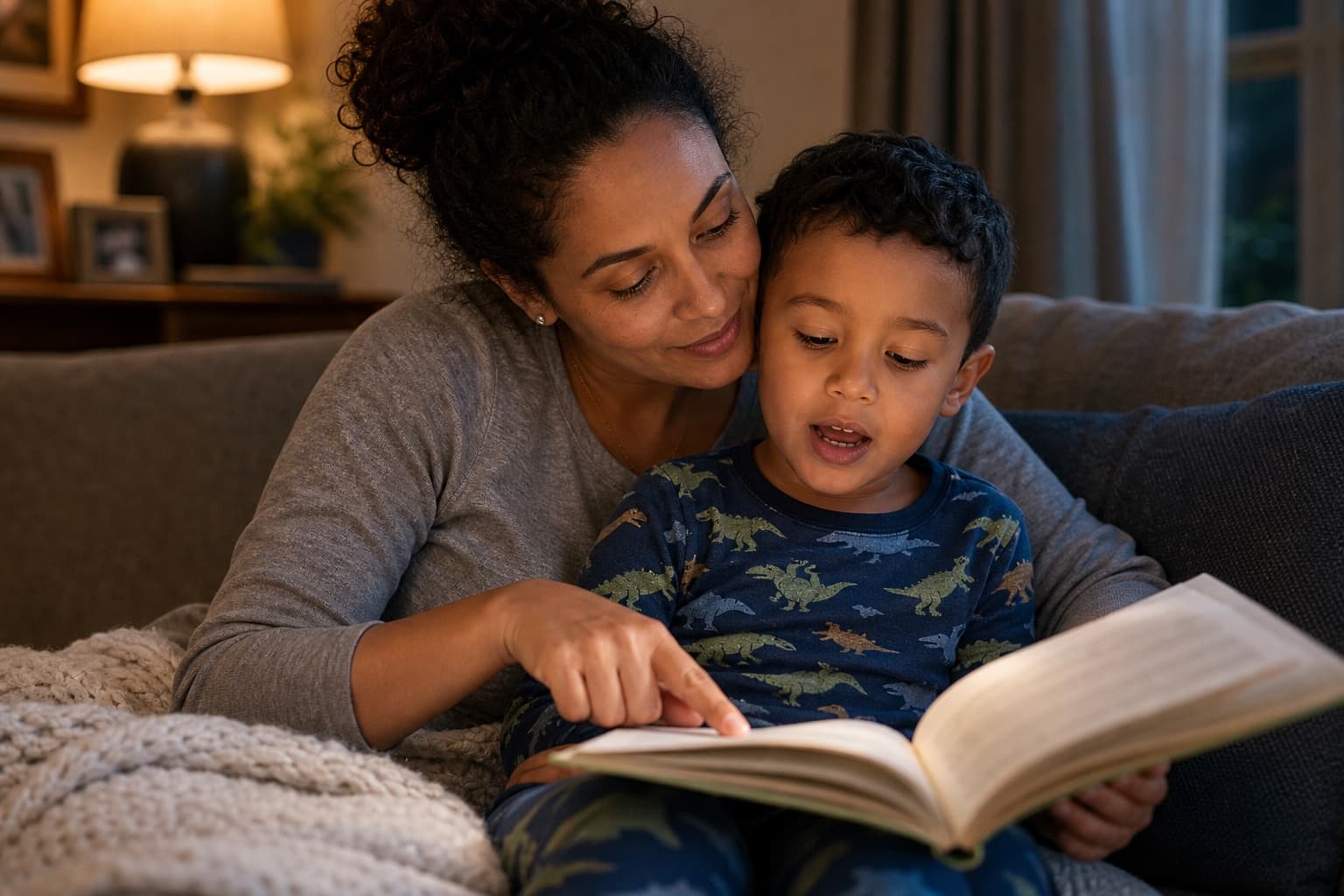
Even after your child begins reading independently, continue reading books aloud together. Hearing fluent reading, reading that is accurate and done at a comfortable pace, exposes children to new vocabulary, sentence structure, and expressive language.
Pause occasionally to ask questions such as:
- What do you think will happen next?
- Why did the character make that choice?
- What was your favorite part?
These conversations strengthen reading comprehension while making story time more engaging. For more ways to support comprehension, visit How to Help Your Child Learn to Read at Home: The Complete Parent Guide
Choose Decodable Books
Many beginning readers become frustrated when books contain words they have not yet learned to decode. Decodable books solve this problem by matching the text to the phonics skills children already know.
Decodable books can be found at the library, or through Decodable Reads, an AI-powered platform that allows a user to make their own decodable story, targeting skills individualized to the student.
As children master new phonics patterns, the books gradually become more challenging. This allows them to experience success while building confidence.
Not sure what makes a book "decodable"? Our article What Are Decodable Books? explains how they work and why they are so effective for early readers.
Turn Reading into a Game
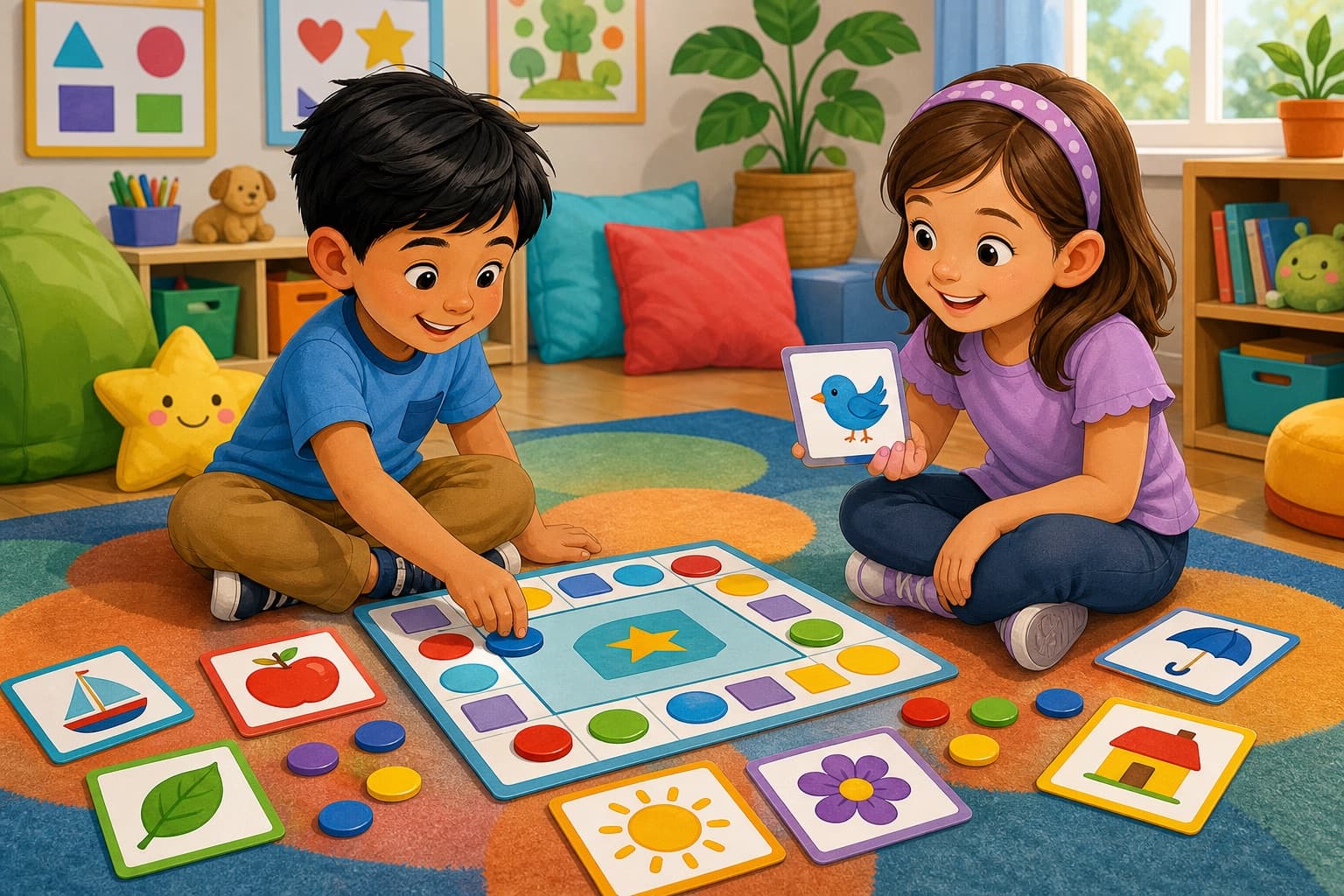
Children learn best when they are engaged and having fun. Try incorporating reading activities into everyday life:
- Play letter sound scavenger hunts.
- Build words with magnetic letters.
- Practice rhyming games during car rides.
- Read recipes while cooking together.
- Label common household objects with word cards.
These playful experiences reinforce literacy skills without making learning feel like work.
Give Immediate Feedback
When your child struggles with a word, avoid immediately telling them the answer.
Instead, encourage them to:
- Look at each letter.
- Blend the sounds together.
- Think about what sound pattern they already know.
- Reread the sentence for context.
Offering guidance instead of simply providing the answer helps children become independent readers.
Use Personalized Reading Practice
Every child learns at a different pace. Some quickly master vowel teams, while others need additional practice with consonant blends or multisyllable words.
Personalized instruction helps children spend more time practicing the skills they actually need.
Literacy Leap creates individualized reading practice based on each child's assessment results. Instead of completing generic worksheets, children receive targeted passages, engaging activities, and progress monitoring designed specifically for their current reading level.
Parents also receive easy to understand reports that highlight strengths and areas for continued growth, making it simple to support learning at home.
Celebrate Progress
Learning to read takes time, and every milestone deserves recognition.
Celebrate achievements such as:
- Finishing a new decodable book
- Mastering a phonics pattern
- Reading independently for ten minutes
- Sounding out a challenging word without help
Small celebrations build motivation and help children develop confidence in their reading abilities.
Create a Reading Friendly Home
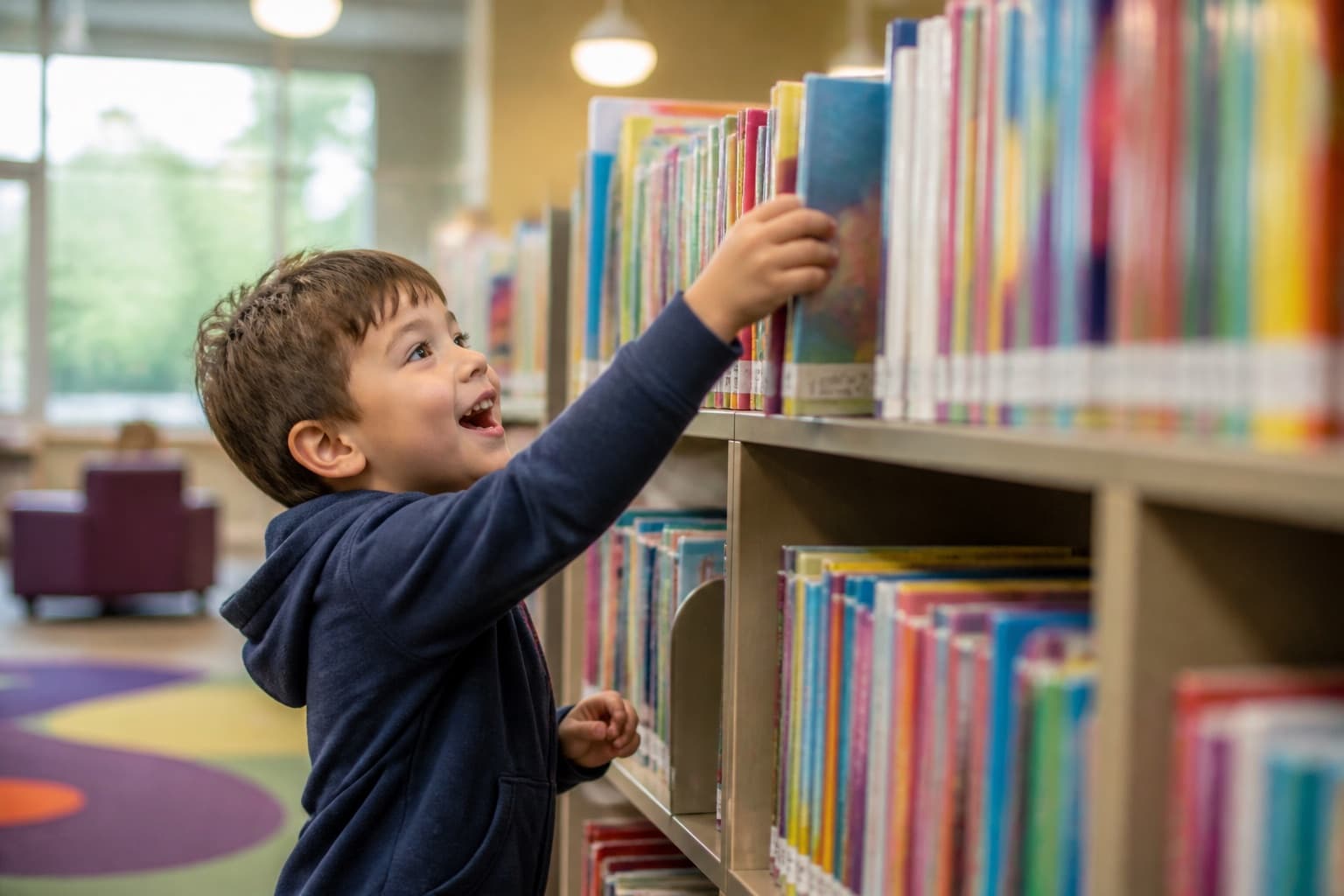
Children are more likely to read when books are easily accessible.
Keep books in several locations around your home, including:
- Bedrooms
- Living rooms
- The car
- Your child's backpack
Model reading yourself as well. When children see adults reading for enjoyment, they begin to view reading as a valuable lifelong habit.
Ready to Support Your Child's Reading Journey?
Teaching your child to read at home does not mean doing everything alone. High quality resources can provide structured lessons, engaging practice, and personalized support that complements what your child is learning at school.
If you are looking for an evidence based reading program that combines personalized instruction, decodable reading passages, and easy to understand progress reports, create your free Literacy Leap account today. In just a few minutes, your child can begin practicing the exact skills they need to become a more confident reader.
With consistent practice, systematic phonics instruction, engaging decodable texts, and plenty of encouragement, parents can play an essential role in helping children become successful readers. Even just 15 to 20 minutes of focused reading practice each day can build skills that last a lifetime.