How to Help Your Child Learn to Read at Home: The Complete Parent Guide
Practical strategies to help your child learn to read at home—daily routines, phonics practice, confidence tips, and when to seek personalized support.

Introduction: How Parents Can Help Their Child Learn to Read at Home
Learning to read is one of the most important skills a child develops, but many parents wonder if they're doing enough to support their child's reading at home. The good news is that you don't need to be a teacher or reading specialist to make a meaningful difference.
Research shows that consistent reading practice, strong foundational skills, and positive reading experiences all contribute to long-term reading success. While schools provide essential instruction, parents play a powerful role in helping children build confidence, practice new skills, and develop a lifelong love of reading.
Whether your child is just beginning to recognize letters, learning to sound out words, or becoming a more independent reader, there are simple, effective ways to support their progress at home.
In this guide, you'll learn how to:
- Build a daily reading routine
- Support foundational reading skills
- Encourage a love of reading
- Help a struggling reader gain confidence
- Keep reading skills growing during school breaks
- Find personalized support when your child needs extra practice
By the end, you'll have practical strategies you can begin using today to help your child become a confident reader.
What Are the Most Effective Strategies for Teaching Your Child to Read at Home?
Helping your child learn to read at home starts with using strategies that support how children develop literacy skills.
Effective reading strategies include:
- Reading aloud together regularly
- Practicing foundational reading skills
- Asking questions about books
- Encouraging children to sound out unfamiliar words
- Celebrating progress and effort
- Providing books that match your child’s interests and ability level
The goal is not just to help children read words on a page. It is to help them become confident readers who understand and enjoy what they are reading. Strong reading instruction focuses on several key areas, including phonemic awareness, phonics, vocabulary, reading fluency, and reading comprehension.
Read more: What Are the Most Effective Strategies for Teaching Your Child to Read at Home?
How Can I Build a Consistent Reading Practice Into My Child’s Daily Routine?
Consistency is one of the most important factors in developing strong reading skills. Children improve when reading becomes a regular part of their everyday lives.
A successful reading routine can include:
- Setting aside a dedicated reading time each day
- Creating a comfortable reading environment
- Allowing children to choose books they enjoy
- Balancing independent reading and reading together
- Making reading a positive experience rather than a chore
Even a short daily reading routine can help children build confidence, strengthen skills, and develop lifelong habits. Many families find that reading for just 15–20 minutes each day is easier to maintain than longer sessions a few times a week. The most important factor isn't the length of each session, it's building a routine that becomes a regular part of your family's day.
How Can I Build Early Literacy Skills Before and During Elementary School?
Early literacy skills provide the foundation children need to become successful readers. These skills begin developing before children enter elementary school and continue to grow throughout the early grades.
Important early literacy skills include:
- Recognizing letters and sounds
- Developing phonemic awareness
- Building vocabulary
- Understanding how books work
- Developing comprehension skills
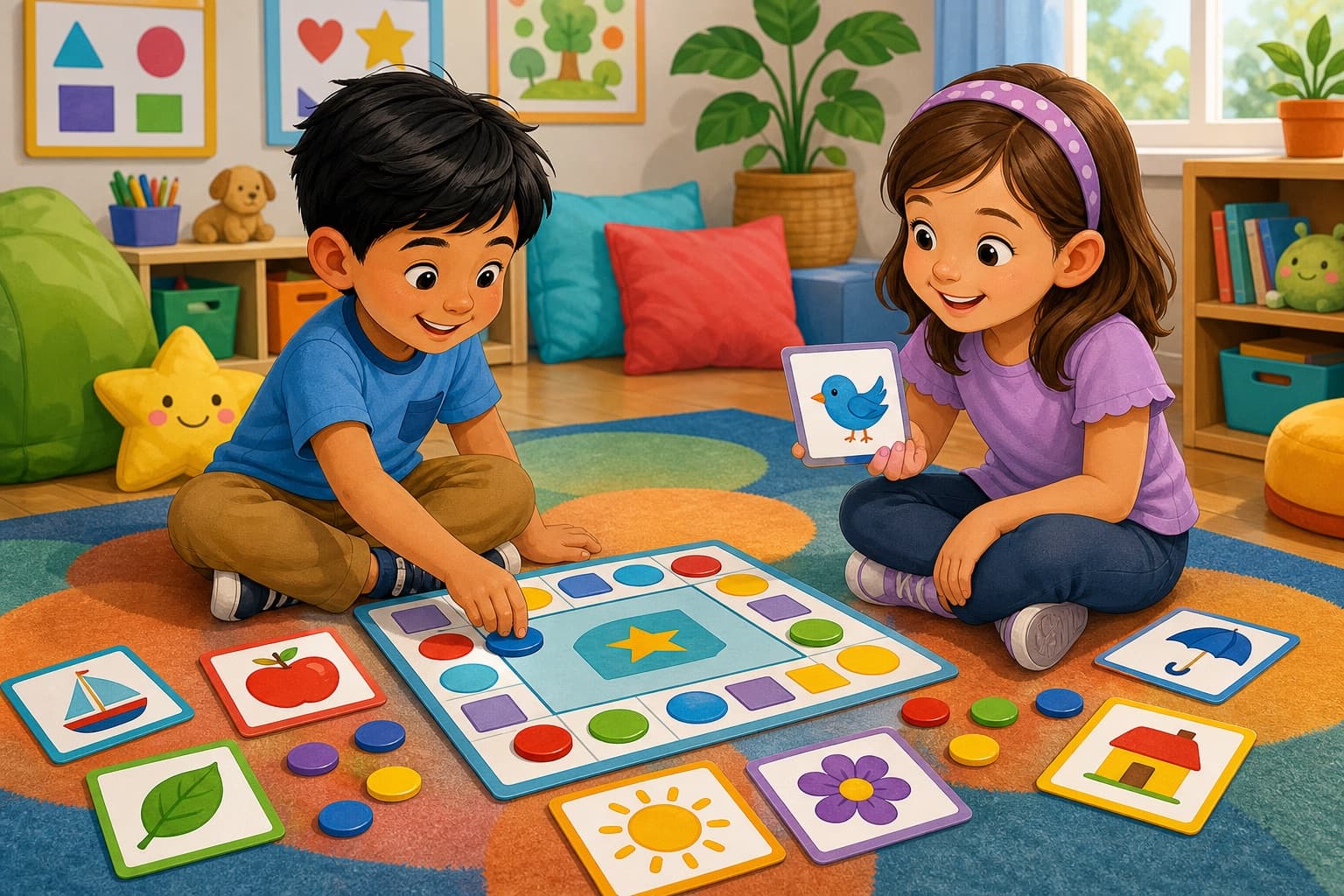
Parents can support early literacy through conversations, reading aloud, storytelling, word games, and everyday learning opportunities. Everyday activities like reading recipes together, pointing out signs while driving, singing nursery rhymes, or playing simple rhyming games all help children build important literacy skills. These small moments add up and help prepare children for more advanced reading instruction as they grow.
Read more: How Can I Build Early Literacy Skills Before and During Elementary School?
What Role Do Parents Play in Developing Strong Reading Habits?
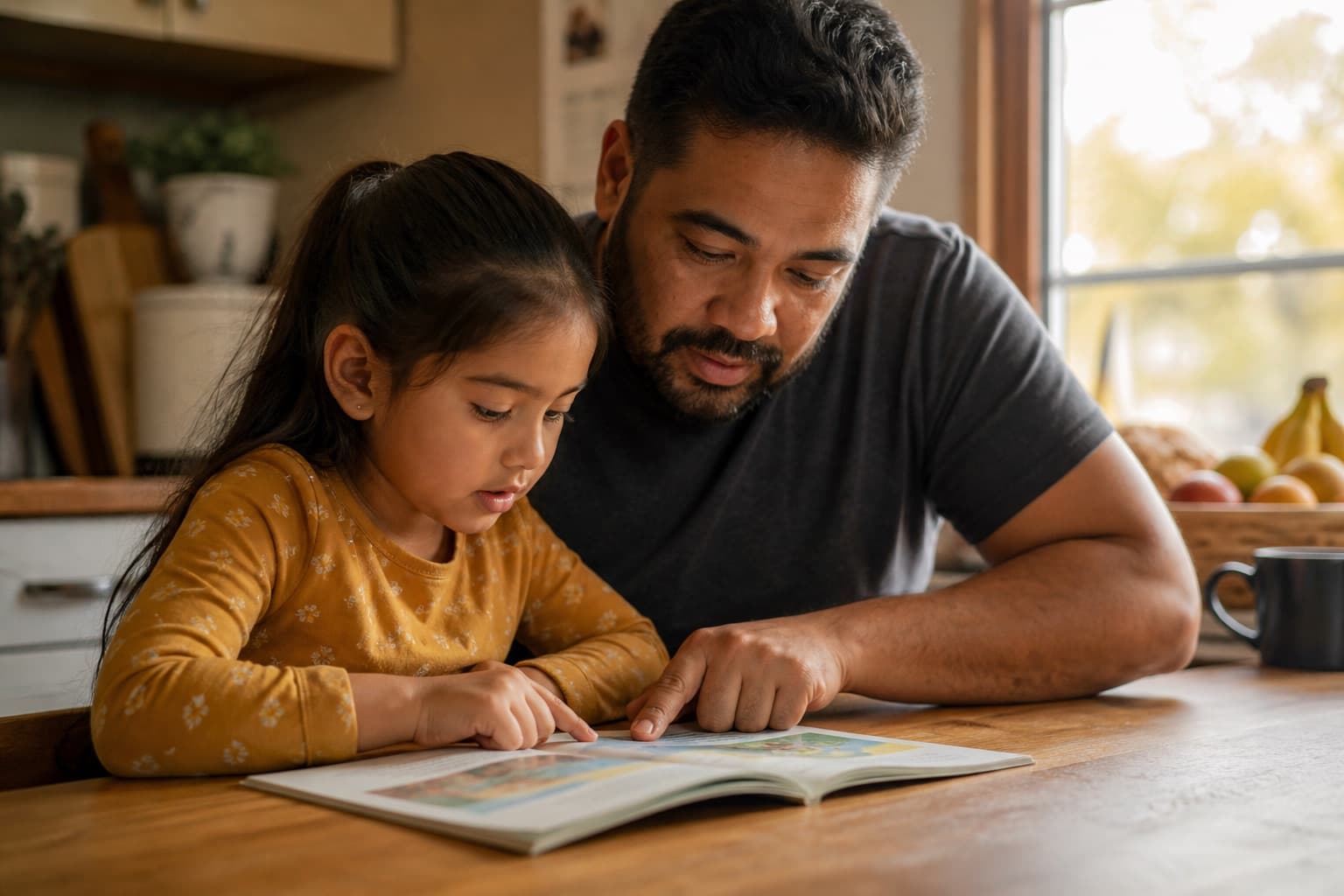
Parents are a child’s first reading teachers. Even before children learn to read independently, they develop important literacy skills by watching, listening, and interacting with family members.
Parents can encourage strong reading habits by:
- Modeling a love of reading
- Making books accessible at home
- Reading together regularly
- Encouraging curiosity and questions
- Creating positive experiences around books
The goal is to help children see reading as something enjoyable and meaningful. Children often model the behaviors they see. When parents read books, magazines, or even recipes for enjoyment, children begin to understand that reading is a valuable part of everyday life.
Read more: What Role Do Parents Play in Developing Strong Reading Habits?
What Are the Best Reading Activities for Kindergarten and First Grade Students?
Young readers learn best through engaging activities that allow them to practice skills in meaningful ways.
Reading activities for kindergarten and first grade students may include:
- Reading picture books together
- Practicing letter sounds
- Playing word games
- Retelling stories
- Building vocabulary
- Practicing reading short passages
- Creating a daily reading challenge
Activities should help children practice important skills while keeping reading fun and engaging.
Read more: What Are the Best Reading Activities for Kindergarten and First Grade Students?
How Can I Encourage a Love of Reading and Motivate My Young Reader?
Motivation plays an important role in reading development. Children who enjoy reading are more likely to practice, explore new books, and continue improving their skills.
Parents can encourage reading motivation by:
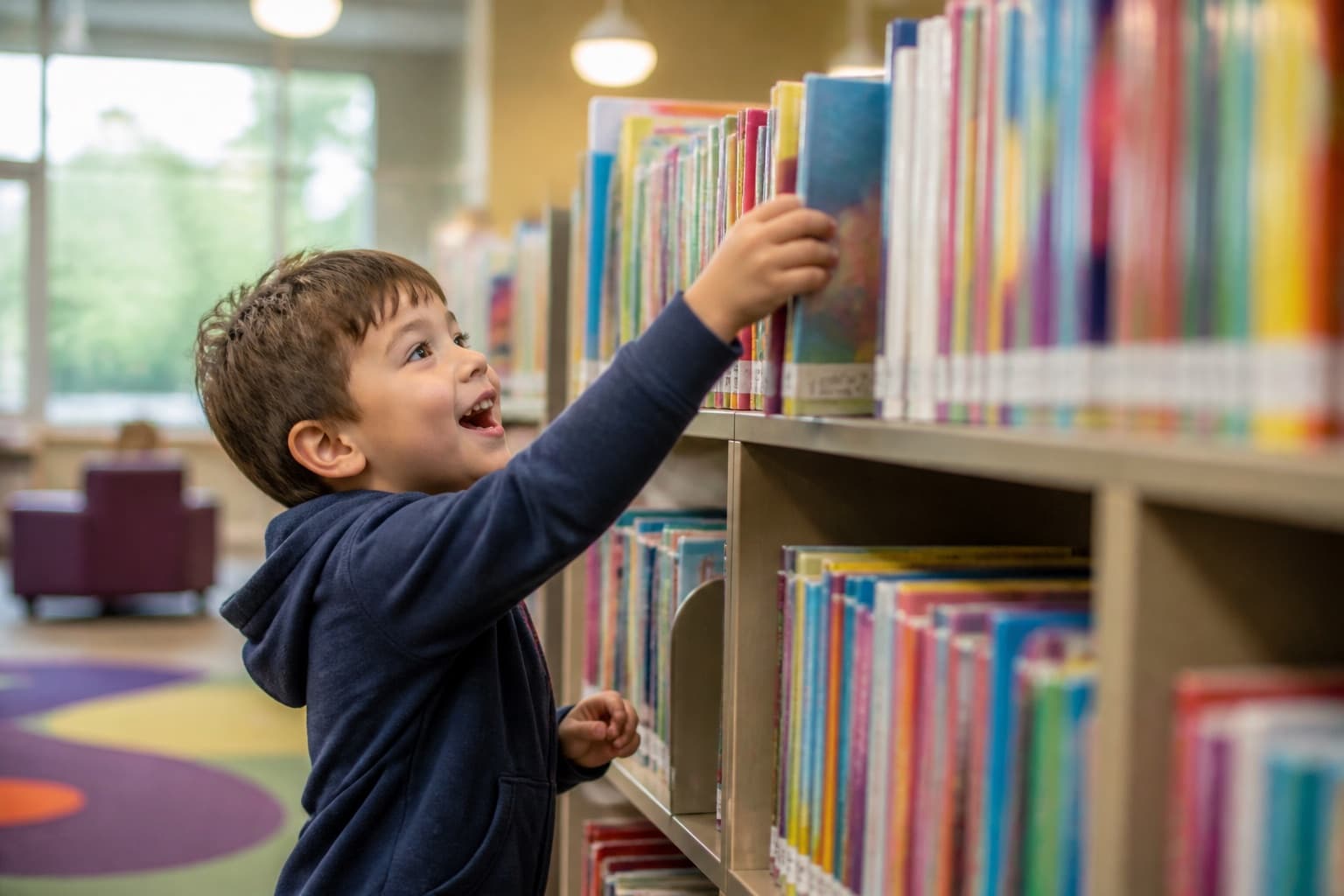
- Letting children choose books
- Finding topics connected to their interests
- Celebrating progress
- Avoiding pressure or comparison
- Reading together as a family
Building a positive relationship with reading can help children become lifelong learners.
Read more: How Can I Encourage a Love of Reading and Motivate My Young Reader?
How Can I Help My Struggling Reader Gain Confidence?
Some children need additional support when learning to read. Struggling readers may experience frustration, avoid reading, or lose confidence in their abilities.
Parents can help by:
- Identifying specific areas where their child needs support
- Providing extra practice opportunities
- Celebrating small improvements
- Using strategies that match their child’s learning needs
- Creating a supportive, low-pressure environment
Confidence is an important part of reading growth. When children feel successful, they are more willing to continue practicing.
Read more: How Can I Help My Struggling Reader Gain Confidence?
How Do I Know If My Child Needs Extra Reading Support?
Every child learns to read at a different pace, but there are times when additional support may be helpful.
Some signs that your child may benefit from extra reading practice include:
- Avoiding reading whenever possible
- Guessing words instead of sounding them out
- Reading very slowly or with little confidence
- Becoming frustrated during reading practice
- Having difficulty remembering letter sounds
- Struggling to understand what they have read
Needing extra support does not mean your child cannot become a successful reader. Early practice, targeted instruction, and encouragement can make a significant difference in helping children build confidence and strengthen their reading skills.
Read more: How Can I Help My Struggling Reader Gain Confidence?
Frequently Asked Questions About Helping Children Learn to Read at Home
How long should my child read each day?
Most children benefit from about 15–20 minutes of reading practice each day. Consistency is more important than long reading sessions.
Can parents really help their child learn to read?
Yes. Reading together, practicing foundational skills, and creating positive reading experiences at home all support children's reading development alongside classroom instruction.
What if my child doesn't enjoy reading?
Try letting your child choose books based on their interests, reading together, celebrating progress, and keeping reading sessions fun and low-pressure.
Should I correct every reading mistake?
Not always. Give your child time to self-correct first. If they need help, encourage them to use strategies like sounding out the word or looking for familiar word parts before providing the answer.
How Literacy Leap Helps Families Support Reading at Home
Supporting your child's reading at home doesn't require creating lesson plans or becoming a reading expert. What matters most is knowing what your child needs to practice, providing consistent opportunities to build those skills, and making reading a positive experience.
That's where Literacy Leap can help. By combining personalized assessments with targeted reading activities, Literacy Leap helps families spend less time wondering what to practice and more time helping their children grow as readers.
With Literacy Leap, families can:
- Understand their child’s reading strengths and areas for growth
- Receive personalized reading activities
- Track progress over time
- Practice important literacy skills at home
- Keep children motivated through interactive rewards
Ready to help your child become a more confident reader? Literacy Leap makes it easy to know what to practice next with a personalized reading assessment, guided lessons, and engaging activities designed to support reading growth at home. Create your account to begin your child's personalized learning journey.