What Are the Best Reading Activities for Kindergarten and First Grade Students?
Fun, effective reading activities for kindergarten and first grade that build phonics, decoding, and early literacy skills at home or in class.

Practice Letter Sounds and Phonics
Phonics, a method of teaching reading and writing by linking spoken sounds to written letters or letter groups, is one of the most important skills children develop during kindergarten and first grade. Phonics helps children understand how letters and sounds work together so they can read unfamiliar words.
Effective phonics activities include:
- Matching letters with their sounds
- Practicing beginning and ending sounds
- Identifying vowel sounds
- Building words with letter tiles
- Finding words with specific sound patterns
For example, you can ask your child to find words that begin with the same sound as “sun” or create new words by changing one letter at a time.
Phonics practice helps children develop the skills they need to decode words independently.
To learn more about why phonics matters for early readers, explore Why Is Phonics Instruction Essential for Developing Strong Readers?.
Play Word Blending Games
Blending is the ability to combine individual sounds together to read a word. This skill is essential for early readers because it helps children move from recognizing individual sounds to reading complete words.
Try activities like:
- Saying each sound and having your child blend them together
- Using sound boxes to separate and combine sounds
- Creating word families such as “-at” words
- Building simple words with magnetic letters
For example:
/c/ /a/ /t/ becomes “cat”
Repeated blending practice helps children become more comfortable decoding new words.
Read Decodable Books and Passages
Early readers need opportunities to practice reading words using the skills they have learned. Decodable texts are designed to provide this practice by including words that match a child’s phonics knowledge. Decodable books are not regular books, they are books that children should read out loud. You can find them at your local library or through Decodable Reads, which gives you the ability to create your own.
Decodable books and passages help children:
- Apply phonics skills
- Practice decoding
- Improve reading accuracy
- Build confidence
Unlike books that encourage guessing, decodable texts allow children to use strategies they are learning.
Learn more about how decodable texts support early reading development in Why Do Decodable Texts Matter for Early Reading Development?.
Use Sight Word Activities
Some words appear frequently in children’s books and are important for building reading fluency. Practicing common sight words can help children recognize these words more quickly. Examples of these words include: of, always, because (any word known for being commonly used in everyday writing).
Fun sight word activities include:
- Creating flashcards
- Playing sight word matching games
- Writing words in different colors
- Finding sight words while reading books
- Building sentences with sight words
While sight word practice can be helpful, it works best alongside phonics instruction. Children still need the ability to decode new words they have not memorized.
Read Aloud Every Day
Reading aloud is one of the most valuable activities parents can do with young children, meaning the adult reads to the child.
Even when children are still learning to read independently, listening to books helps them develop:
- Vocabulary
- Background knowledge
- Listening comprehension
- Interest in stories
During read aloud time, encourage your child to participate by asking questions such as:
- “What do you think will happen next?”
- “Why did the character make that choice?”
- “Can you connect this story to something you know?”
These conversations help children develop deeper understanding.
Practice Retelling Stories
Comprehension is an important part of reading success. Children need to understand and think about what they read, not just pronounce words correctly.
After reading a story, ask your child to retell:
- Who were the characters?
- What happened first?
- What was the problem?
- How was the problem solved?
Retelling activities help children organize information and strengthen comprehension skills.
Encourage Writing Alongside Reading
Reading and writing skills develop together. Simple writing activities can reinforce vocabulary, spelling patterns, and comprehension. When kids can spell a word, they will be able to read it more automatically without having to sound it out.
Try activities like:
- Writing a sentence about a favorite book
- Creating a story together
- Keeping a reading journal
- Drawing a picture and labeling it
For kindergarten students, this may begin with writing letters and simple words. First graders may be ready for short sentences and paragraphs.
Make Reading Interactive
Children learn best when they are actively involved. Instead of only asking children to sit and read, make literacy activities hands-on.
Ideas include:
- Acting out stories
- Creating crafts related to books
- Making word puzzles
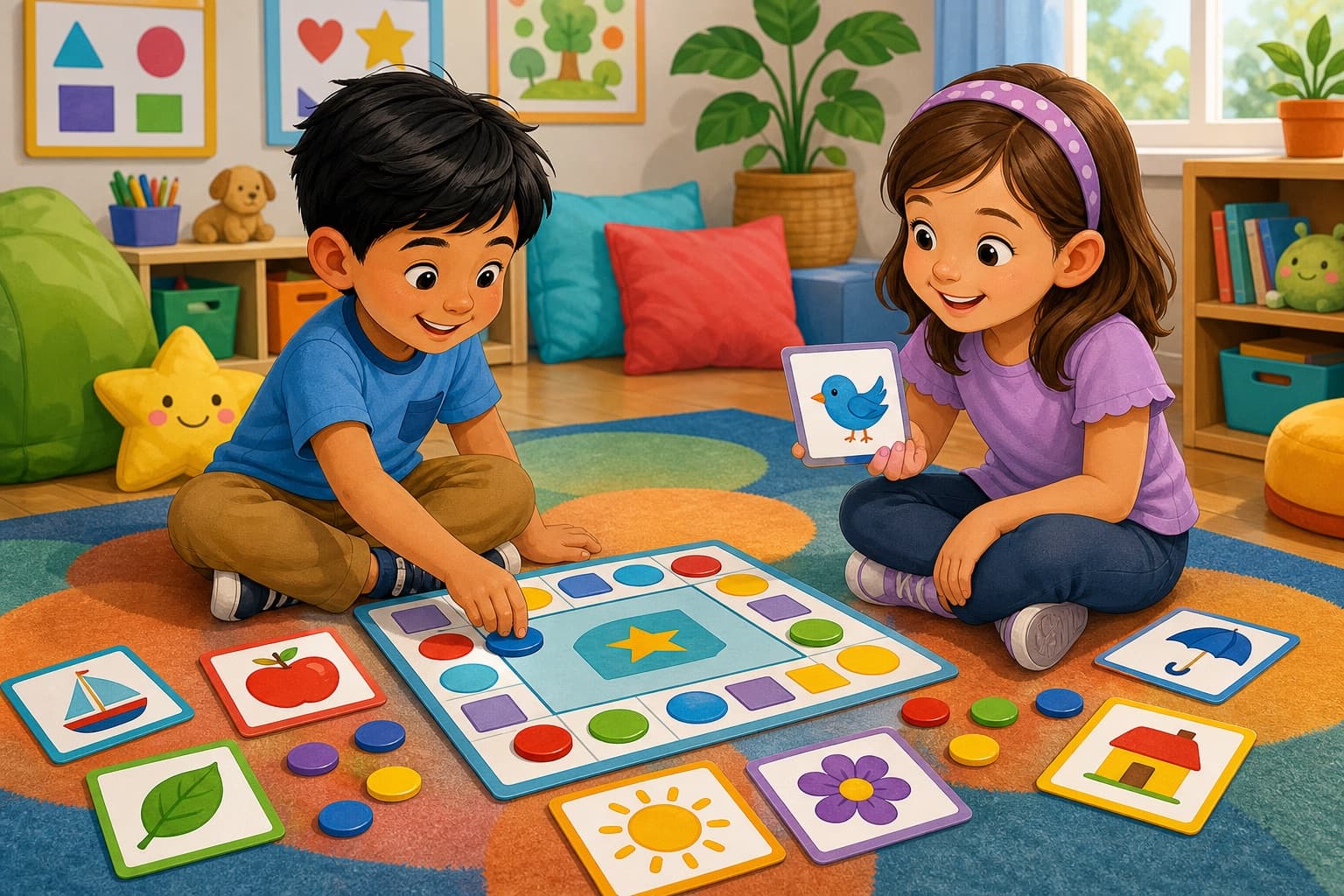
- Playing reading games
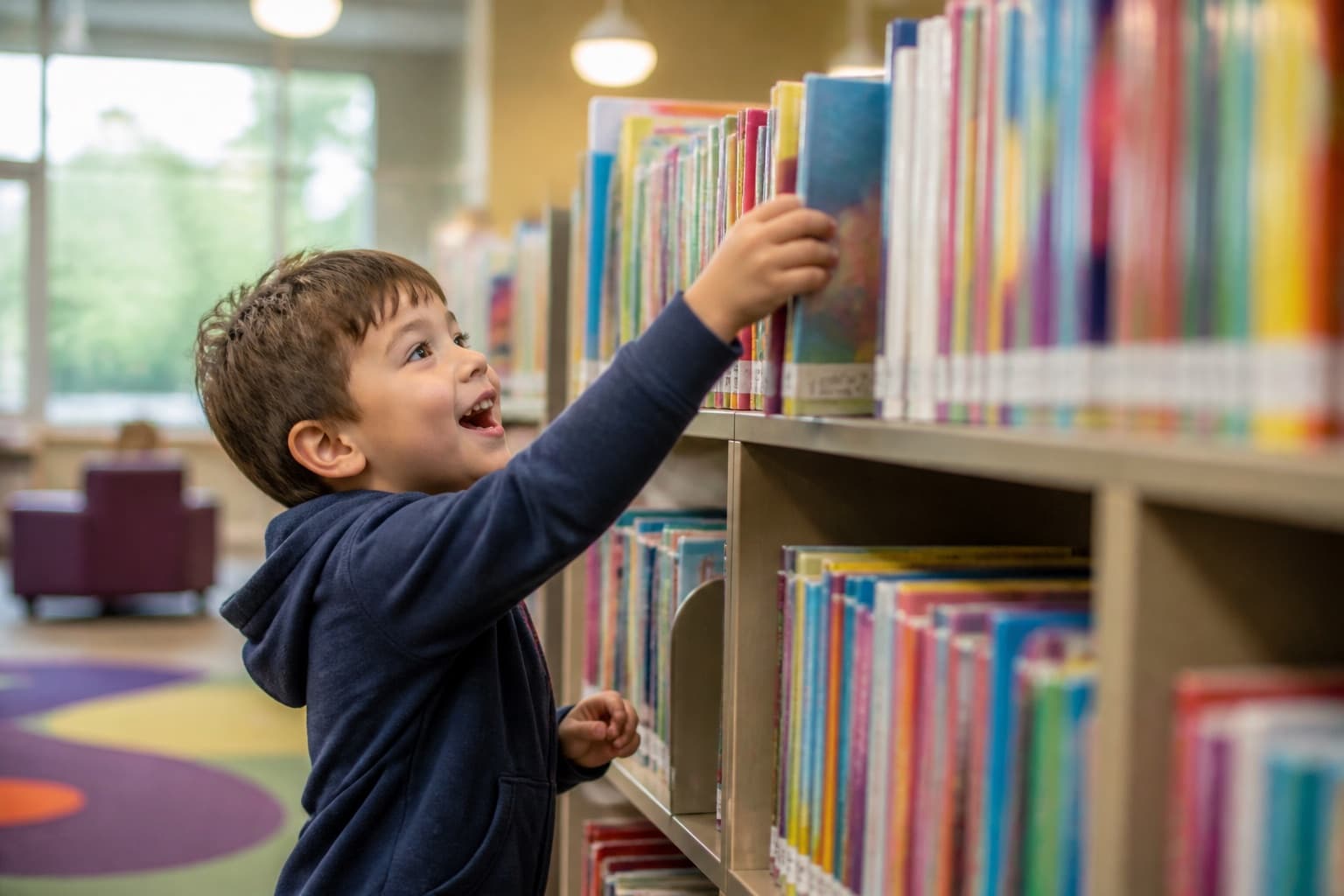
- Visiting the library
Interactive activities help children connect reading with curiosity and enjoyment.
Use Personalized Reading Practice
Every child develops reading skills at a different pace. Some kindergarten and first grade students need extra support with foundational skills, while others are ready for more advanced reading challenges.
Personalized learning helps children practice skills that match their current abilities.
Literacy Leap provides personalized reading activities based on each child’s assessment results. Children receive targeted practice, personalized decodable passages, and activities designed around their individual reading needs.
Parents can also access progress tracking tools to understand their child’s strengths and areas where they may need additional support.
Build a Consistent Reading Routine
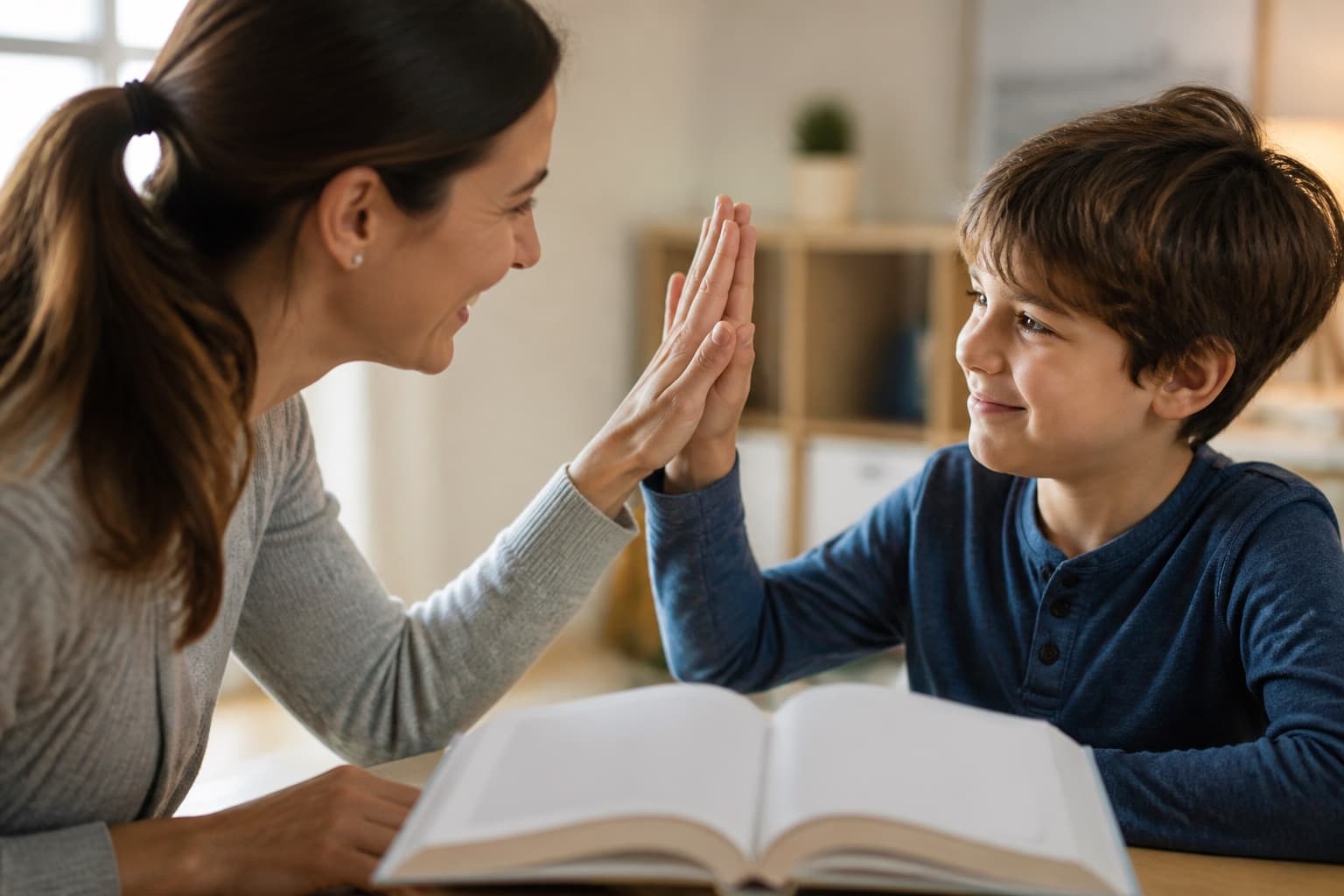
The most effective reading activities are those that happen regularly. A few minutes of daily practice can make a meaningful difference over time.
A simple routine might include:
- 5 minutes of phonics practice
- 10 minutes of reading a decodable passage or book
- 10 minutes of reading aloud together
Consistency helps children strengthen skills and develop confidence.
For more ideas on creating a lasting reading habit, read How to Build a Consistent Reading Routine for Your Child.
Help Your Child Build Early Reading Skills
Kindergarten and first grade are important years for developing the skills that support lifelong reading success. Through phonics practice, decodable reading, storytelling, and consistent encouragement, parents can help children build a strong literacy foundation.
If you want personalized support for your child’s reading journey, sign up for a free Literacy Leap account today. Literacy Leap helps children strengthen essential reading skills through personalized activities, decodable passages, and progress tracking.
With engaging practice and the right support, young readers can build the confidence they need to become successful readers.