How Can I Encourage a Love of Reading and Motivate My Young Reader?
Encourage a love of reading with motivation tips, book choice strategies, and positive routines that help young readers practice more often.


Let Your Child Explore Their Interests
One of the best ways to encourage reading motivation is to let children read about topics they enjoy.
Consider offering books about:
- Animals
- Sports
- Space
- Dinosaurs
- Nature
- Favorite characters
- Hobbies and activities
A child who may not be interested in a traditional storybook might become excited about a nonfiction book, comic-style story, or book about a favorite topic.
The goal is to help children see reading as a way to explore the world.
Create Positive Reading Experiences
Children often develop their attitudes toward reading based on their experiences. If reading always feels like a difficult task, they may begin avoiding it.
Parents can create positive experiences by:
- Celebrating effort
- Praising progress
- Allowing children to choose some books
- Reading together regularly
- Avoiding pressure when mistakes happen
When children feel supported, they are more likely to take risks and continue practicing.
Choose Books That Match Your Child’s Skills
A child’s confidence can grow when they are reading books that provide the right level of challenge.
Books that are too difficult can lead to frustration, while books that are too easy may not provide enough opportunities for growth.
For early readers, decodable texts can be especially helpful because they allow children to practice phonics skills they have learned. Decodable texts are books meant to be read out loud, and can be found at your nearest library, or through the platform Decodable Reads, where you can create your own decodable story.
Decodable texts help children:
- Use letter-sound knowledge
- Practice decoding unfamiliar words
- Improve reading accuracy
- Build independence
Learn more about why decodable texts support early reading development in Why Do Decodable Texts Matter for Early Reading Development?.
Make Reading a Shared Activity
Reading does not have to be an independent activity all the time. Sharing books together helps children associate reading with connection and enjoyment.
Try:
- Reading bedtime stories together
- Taking turns reading pages
- Discussing favorite characters
- Asking questions about the story
- Visiting the library as a family
These moments show children that reading is valuable and enjoyable.
Celebrate Small Reading Wins
Reading development takes time. Young readers may make progress in small steps that are not always obvious.
Celebrate moments such as:
- Reading a new word independently
- Finishing a short book
- Trying a challenging sentence
- Remembering a phonics pattern
- Reading with more confidence
Recognizing progress helps children understand that their effort matters.
Encourage Independence Without Pressure
Children become motivated readers when they feel a sense of ownership.
Give your child opportunities to make choices, such as:
- Choosing which book to read
- Picking a reading spot
- Setting personal reading goals
- Sharing their favorite stories
At the same time, continue providing gentle support when they encounter challenges.
If a child struggles with a word, encourage them to use reading strategies rather than immediately giving the answer.
Ask:
- “What sounds do you notice?”
- “Do you recognize this pattern?”
- “Can you try blending the sounds?”
This helps children become confident problem-solvers.
Use Reading Games and Activities
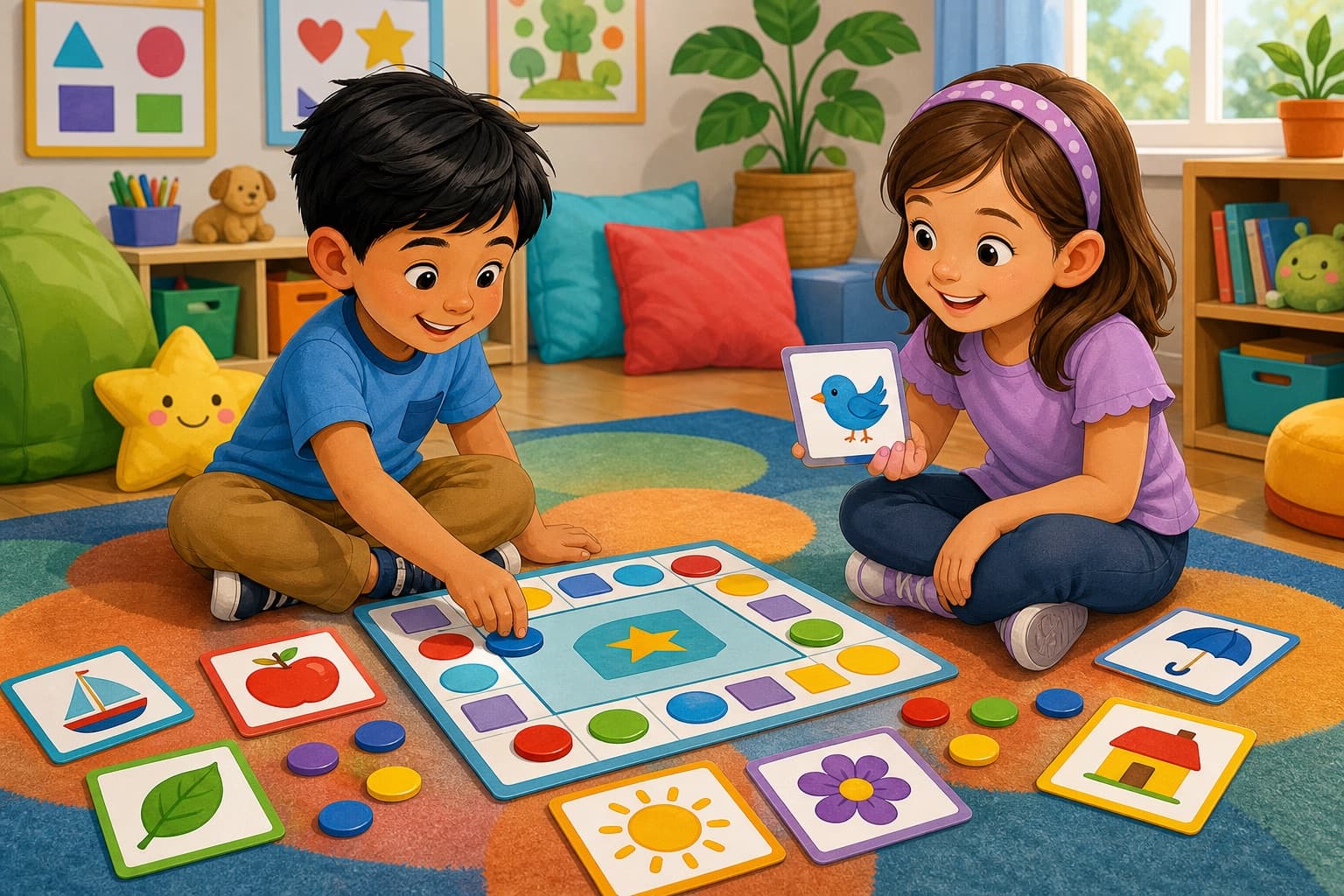
Reading practice does not always need to look like sitting with a book. Games and activities can make literacy skills more engaging.
Try activities like:
- Creating words with letter tiles
- Playing rhyming games
- Searching for specific sounds in books
- Writing short stories
- Acting out favorite books
These activities reinforce literacy skills while keeping learning fun.
Support Your Child With Personalized Reading Practice
Every child develops reading skills differently. Some children need extra practice with phonics and decoding, while others need support building fluency or comprehension.
Personalized learning helps children practice skills at the right level and experience success as they grow.
Literacy Leap provides personalized reading activities based on each child’s assessment results. Children receive targeted practice, personalized decodable passages, and reading experiences designed around their individual needs.
Parents can also use progress tracking tools to understand their child’s growth and identify areas where additional support may help.
Build a Consistent Reading Routine
Motivation grows when reading becomes a normal part of everyday life. A consistent routine helps children develop habits that support long-term literacy growth.
A simple daily routine could include:
- Reading a book together
- Practicing phonics skills
- Reading a personalized passage
- Talking about what was read
Even 10 to 15 minutes of daily reading practice can make a meaningful difference over time.
For more strategies to create lasting reading habits, read How to Build a Consistent Reading Routine for Your Child.
Help Your Child Become a Lifelong Reader
Encouraging a love of reading does not happen through one activity or one book. It develops through consistent support, positive experiences, and opportunities for children to feel successful.
If you want personalized support for your child’s reading journey, sign up for a free Literacy Leap account today. Literacy Leap helps children strengthen essential reading skills through personalized activities, decodable passages, and progress tracking.
With the right encouragement and support, every child can discover the joy of reading and develop the skills they need to become a confident reader.