What Do Parents Need to Know About the Science of Reading?
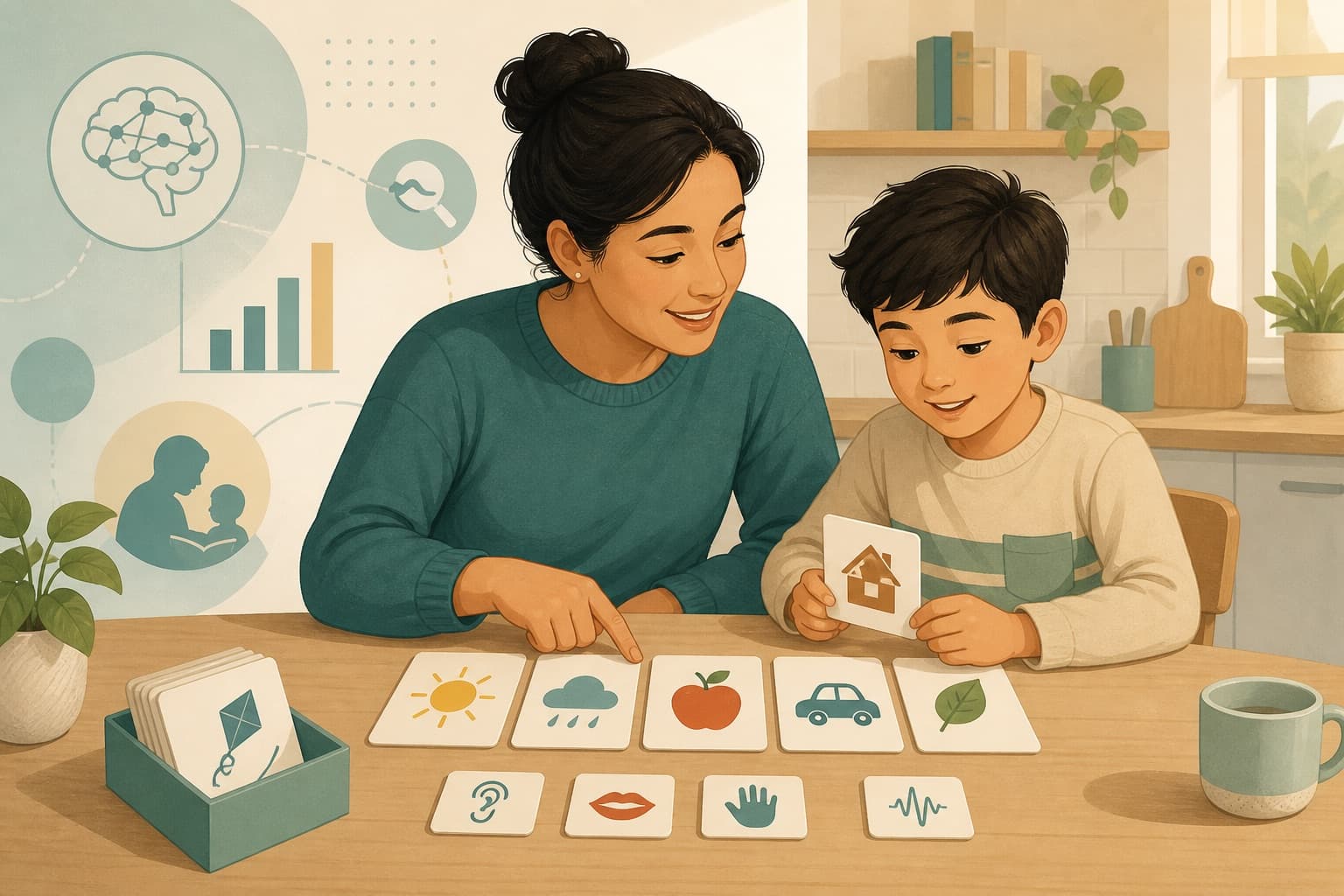
The Science of Reading focuses on how children learn to recognize words, understand language, and become fluent readers.

What Is the Science of Reading?
The Science of Reading focuses on how children learn to recognize words, understand language, and become fluent readers.
Research shows that successful reading development requires a combination of skills, including:
- Phonemic awareness
- Phonics
- Vocabulary
- Fluency
- Reading comprehension
- Background knowledge
Children do not naturally learn to read in the same way they learn to speak. Reading requires explicit instruction and practice to help the brain connect letters with sounds and build automatic word recognition.
Why Phonics Matters
One of the most important findings from reading research is the importance of systematic phonics instruction.
Phonics teaches children how letters and sounds work together. Instead of memorizing every word they encounter, children learn strategies that allow them to decode unfamiliar words independently.
Effective phonics instruction typically teaches:
- Individual letter sounds
- Letter combinations
- Blending sounds into words
- Common spelling patterns
- More complex decoding skills over time
The Role of Phonemic Awareness
Before children can connect letters to sounds, they need to understand the sounds within spoken language. This skill is called phonemic awareness.
Phonemic awareness includes skills such as:
- Recognizing rhyming words
- Identifying beginning and ending sounds
- Breaking words into individual sounds
- Combining sounds to form words
Activities like singing songs, playing rhyming games, and practicing word sounds can help young children develop these foundational skills.
Understanding the Role of Comprehension
While phonics is essential, reading is about more than sounding out words. The ultimate goal of reading is understanding and connecting with the text.
Strong comprehension develops through:
- Building vocabulary
- Discussing stories
- Learning background knowledge
- Asking questions
- Making connections
Parents can support comprehension by talking about books before, during, and after reading.
Try asking questions like:
- What do you think this story will be about?
- Why did the character make that choice?
- What was the most important part?
- Can you summarize what happened?
How Parents Can Apply the Science of Reading at Home
Parents do not need to become reading teachers to support evidence based literacy development. Simple daily habits can make a significant difference.
Helpful strategies include:
- Reading aloud every day
- Practicing phonics skills
- Choosing books that match your child's reading level
- Encouraging children to sound out unfamiliar words
- Building vocabulary through conversations
- Celebrating progress
A consistent routine helps children strengthen skills while developing confidence.
For more ideas, explore How to Build a Consistent Reading Routine for Your Child.
Personalize Reading Instruction for Your Child
Every child learns to read differently. Some children quickly master phonics patterns, while others need additional practice with foundational skills.
Personalized reading instruction helps children focus on the areas where they need the most support.
Literacy Leap uses assessment results to create individualized reading practice based on each child's specific needs. Children receive personalized decodable passages, activities, and skill practice designed to support their current reading level.
Common Misconceptions About Reading Development
Many parents hear conflicting advice about how children learn to read. Some common misconceptions include:
"Children will learn to read naturally if they are exposed to books."
Reading exposure is important, but most children need explicit instruction to understand how letters and sounds connect.
"Pictures should be the main way children figure out unfamiliar words."
Pictures can support comprehension, but children need decoding skills to become independent readers.
"Phonics makes reading boring."
Effective phonics instruction does not replace meaningful reading experiences. Instead, it gives children the tools they need to access more books independently.
Help Your Child Build Strong Reading Skills
The Science of Reading gives parents a clearer understanding of what children need to become successful readers. By combining phonics instruction, meaningful reading experiences, consistent practice, and personalized support, families can create a strong foundation for literacy.
If you are looking for an evidence based tool to support your child's reading development, sign up for a free Literacy Leap account today. Literacy Leap combines personalized practice, decodable passages, and progress tracking to help children strengthen essential reading skills.