What Is Structured Literacy and Why Does It Matter?
Structured literacy explained: a clear, sequential approach to teaching reading with phonics, decoding, and support for struggling readers.

What Is Structured Literacy?
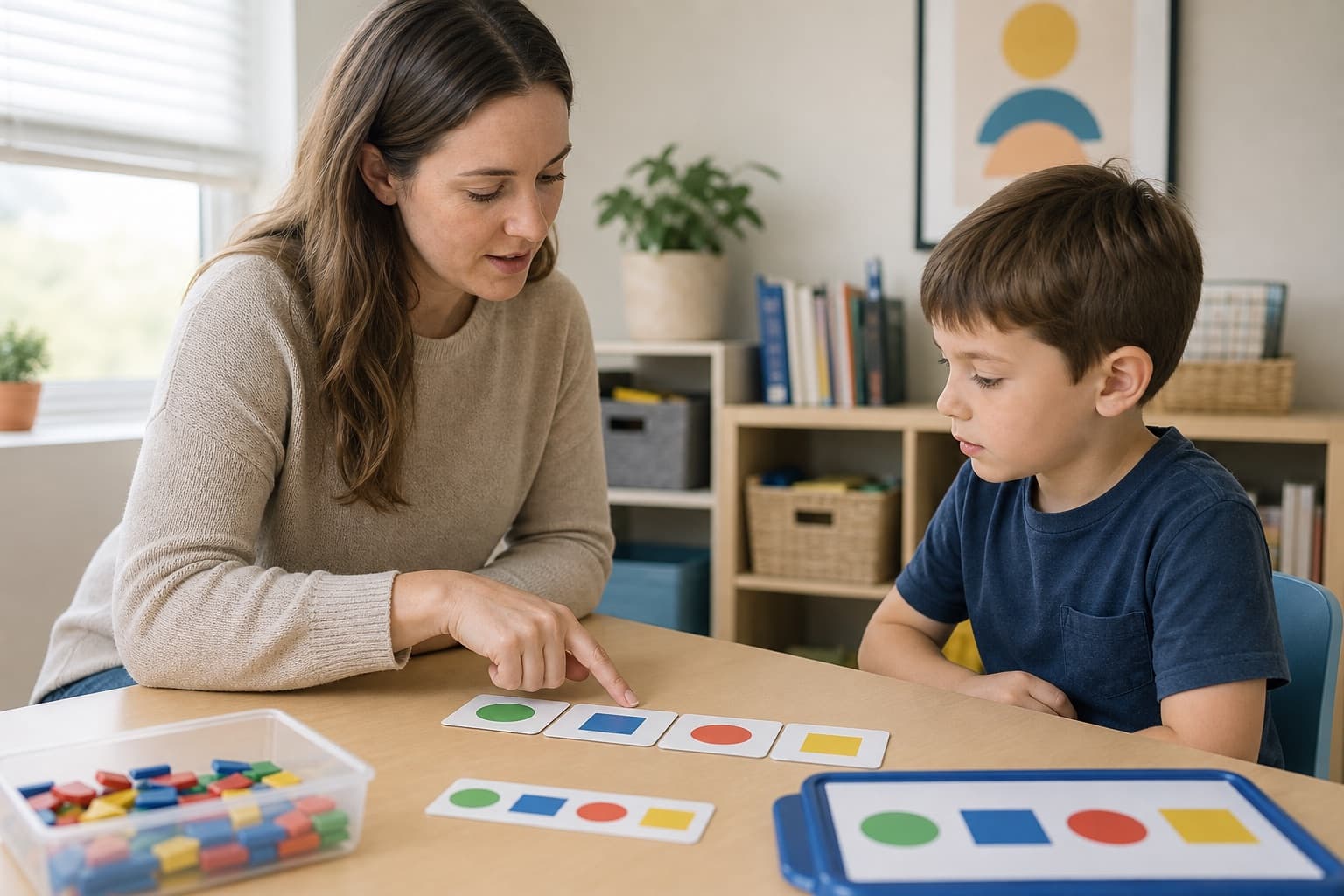
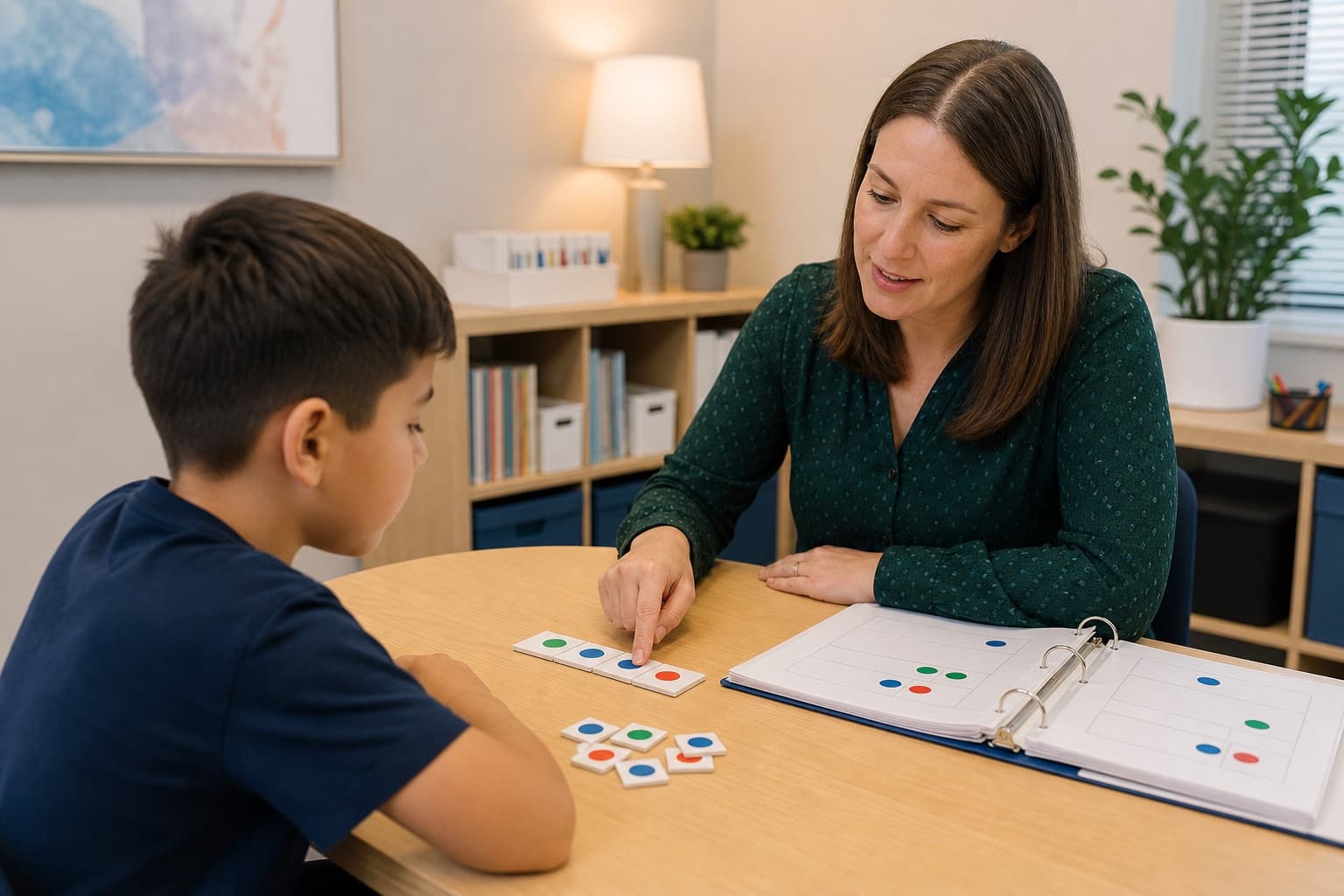
Structured literacy is an approach to teaching reading that follows a carefully planned sequence. Instead of expecting children to figure out reading patterns on their own, structured literacy explicitly teaches the skills they need.
A structured literacy approach includes instruction in:
- Phonology, which focuses on the sounds in spoken language
- Phonics, which teaches the relationship between letters and sounds
- Syllable patterns, which help children read longer words
- Morphology, which teaches meaningful word parts such as prefixes and suffixes
- Syntax, which focuses on sentence structure
- Semantics, which focuses on meaning and vocabulary
To learn more about evidence-based reading instruction, explore our guide on Understanding the Science of Reading.
How Is Structured Literacy Different From Other Reading Approaches?
Many traditional reading approaches rely heavily on children recognizing words through memory, pictures, or context clues. While these strategies may sometimes help children understand a story, they do not teach the underlying skills needed to decode unfamiliar words.
Instead of asking:
“Does this word look right?”
Children learn to ask:
- What sounds do these letters make?
- What spelling pattern do I recognize?
- How can I break this word into smaller parts?
This approach helps children become problem-solvers who can approach new words with confidence.
Why Does Structured Literacy Matter?
Structured literacy matters because reading does not develop naturally for every child. Many children need direct instruction to build the skills required for successful reading.
Structured literacy helps children:
- Build strong decoding skills
- Improve reading accuracy
- Develop fluency
- Strengthen spelling abilities
- Increase reading confidence
- Better understand complex texts
By building a strong foundation early, children are better prepared for increasingly challenging reading tasks as they move through school.
Structured Literacy Supports Struggling Readers
While all children can benefit from structured literacy, it can be especially helpful for children who struggle with reading.
Some signs that a child may need additional reading support include:
- Difficulty sounding out words
- Frequent guessing while reading
- Trouble remembering spelling patterns
- Avoiding reading activities
- Feeling frustrated during reading practice
Structured literacy provides a clear path forward by breaking reading into manageable skills and allowing children to practice each step.
The Role of Phonics in Structured Literacy
Phonics is one of the most important parts of structured literacy. It teaches children how letters and sounds connect so they can decode words independently.
Through systematic phonics instruction, children learn:
- Letter sounds
- Sound blending
- Common spelling patterns
- Vowel combinations
- More advanced word structures
When children understand phonics patterns, they are no longer dependent on memorizing every word they encounter.
For more information about why phonics is important, read Why Is Phonics Instruction Essential for Developing Strong Readers?.
Why Decodable Books Support Structured Literacy
Structured literacy works best when children have opportunities to apply the skills they are learning.
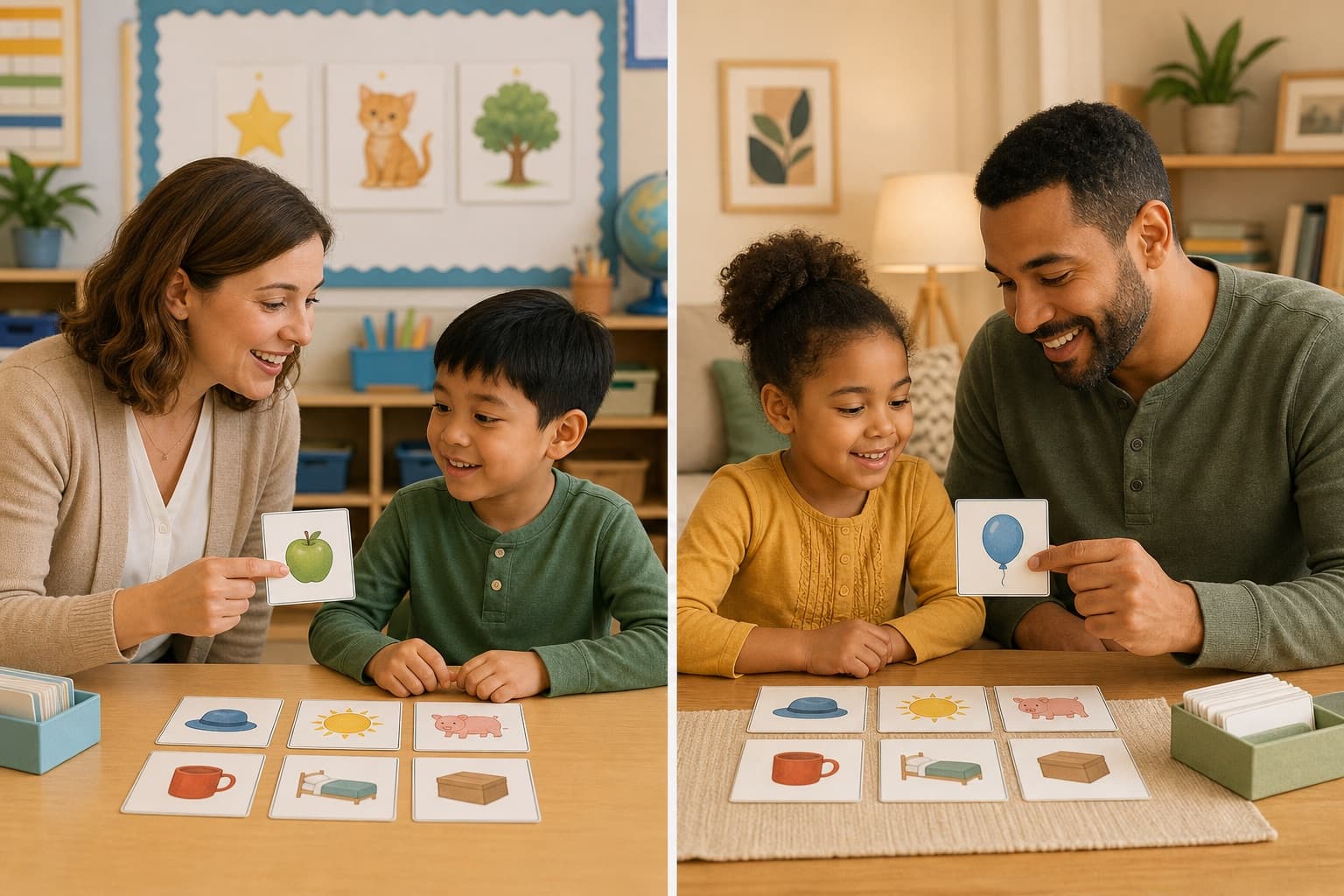
Decodable books provide this practice by including words that match the phonics patterns children have been taught. This allows children to use decoding strategies instead of guessing.
Decodable texts help children:
- Reinforce phonics skills
- Build reading accuracy
- Practice fluency
- Gain confidence
Learn more about how these books support early readers in What Are Decodable Books and Why Are They Important?.
How Parents Can Use Structured Literacy at Home
Parents can support structured literacy principles through simple daily activities.
Try:
- Practicing letter sounds and word patterns
- Reading decodable books together
- Asking your child to explain how they figured out a word
- Building vocabulary through conversations
- Reading aloud regularly
The most important factor is consistency. Short, frequent practice sessions can help children strengthen their skills over time.
Personalized Structured Literacy Support
Every child develops literacy skills differently. Some children need more practice with phonics, while others need additional support with fluency, vocabulary, or comprehension.
Literacy Leap uses assessment results to create individualized reading practice for each child. Children receive personalized decodable passages, targeted activities, and skill practice designed around their current reading abilities.
Parents can also access progress reports that provide insight into their child’s growth and help them better support reading development at home.
Help Your Child Build Strong Reading Foundations
Structured literacy gives children the tools they need to become confident readers. By teaching language skills in a clear, organized sequence, this approach helps children understand how reading works instead of relying on memorization or guessing.
If you are looking for evidence-based reading support, sign up for a free Literacy Leap account today. Literacy Leap helps children strengthen essential reading skills through personalized practice, decodable passages, and progress tracking.