Phonics & Reading Skills: A Complete Guide to Building Strong Readers
Build strong early readers with phonics activities that teach letter sounds, decoding, blending, word families, digraphs, and confident independent reading.

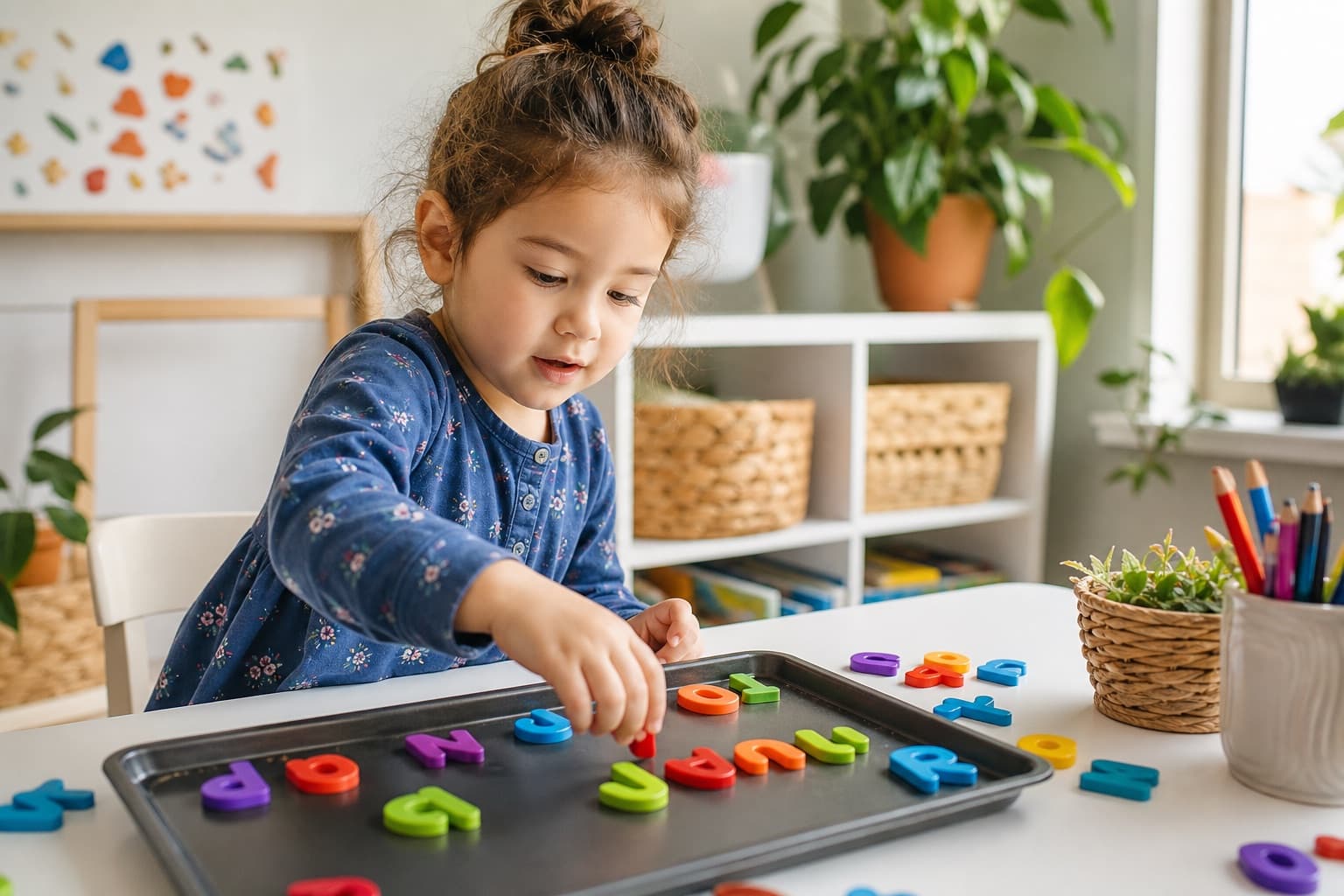
Phonics Skills for Kids: How to Build Strong Early Readers at Home
Phonics Skills for Kids: Building the Foundation for Successful Reading
Learning to read is a process that develops over time. Before children can read books independently, they need to understand how spoken language connects to written words.
One of the most important foundations of early reading development is phonics.
Phonics teaches children how letters and sounds work together. These skills help children decode unfamiliar words, read more accurately, and become more confident readers.
Instead of memorizing every word they see or guessing based on pictures, children with strong phonics skills learn strategies they can use whenever they encounter a new word.
Many parents ask:
- How can I help my child learn phonics skills at home?
- What phonics skills should my child learn first?
- Why does my child struggle to sound out words?
- What activities can help my child become a stronger reader?
- How does phonics support reading success?
The good news is that phonics skills can be developed through consistent practice, structured instruction, and engaging reading activities.
What Are Phonics Skills?
Phonics is the relationship between letters and sounds. It teaches children that written letters represent the sounds they hear in spoken language.
For example, when a child sees the word:
cat
They learn that:
- c represents the /k/ sound
- a represents the /ă/ sound
- t represents the /t/ sound
By combining these sounds together, children can read the word independently.
Phonics skills help children:
- Read unfamiliar words
- Improve reading accuracy
- Build confidence
- Develop fluency
- Strengthen spelling abilities
How Do Children Develop Early Reading Skills?
Reading development happens gradually. Children build many connected skills that work together to support successful reading.
Important early reading skills include:
Letter Recognition
Children learn to identify letters and understand that each letter represents a sound.
Phonemic Awareness
Children develop the ability to hear and manipulate individual sounds in spoken words.
Examples include:
- Identifying the first sound in a word
- Blending spoken sounds together
- Breaking words into individual sounds
Phonics Knowledge
Children connect sounds to letters and use those relationships to read words.
Word Recognition
Children begin recognizing familiar words quickly and automatically.
Reading Fluency
Children learn to read accurately, smoothly, and with expression.
Each skill builds on the previous one. A strong foundation helps children become more confident and capable readers.
How Do I Teach Short and Long Vowel Sounds to My Child?
Vowel sounds are one of the most important phonics skills children develop because vowels appear in almost every word they read.
Understanding the difference between short and long vowel sounds helps children recognize patterns, decode unfamiliar words, and become more confident readers.
What Are Short Vowels?
Short vowels are commonly found in early reading words and usually represent their most common sounds.
Examples include:
- a as in cat
- e as in bed
- i as in sit
- o as in hot
- u as in sun
Children often begin practicing short vowel sounds through simple CVC (consonant-vowel-consonant) words.
Examples:
- cat
- map
- bed
- pig
- cup
These simple patterns allow children to practice blending sounds together and build early decoding skills.
What Are Long Vowels?
Long vowels typically say their letter name.
Examples include:
- a as in cake
- i as in bike
- o as in home
- u as in cute
Children often learn long vowel patterns after developing confidence with short vowels.
Common patterns include:
- Silent E words (cake, bike, home)
- Vowel teams (rain, boat, feet)
Understanding vowel patterns helps children read a wider variety of words and recognize how spelling patterns influence pronunciation.
How Can I Help My Child Learn to Blend Sounds When Reading?
Sound blending is one of the most important steps between knowing letter sounds and reading complete words.
Blending is the process of combining individual sounds together to form a word.
For example:
/m/ /ă/ /p/
becomes:
map
When children learn to blend sounds successfully, they gain the ability to decode new words independently.
Why Is Blending Important?
Before children can read fluently, they need to understand how individual sounds work together.
Blending helps children:
- Read unfamiliar words
- Strengthen decoding skills
- Improve reading accuracy
- Build confidence with independent reading
Without blending skills, children may recognize individual letters but struggle to combine them into meaningful words.
How Do Word Families Help Children Learn to Read?
Word families are groups of words that share common spelling patterns and sounds.
Learning word families helps children recognize patterns within words, making reading and spelling easier.
Examples:
The -at Family
- cat
- bat
- hat
- mat
The -ake Family
- cake
- bake
- make
- take
When children understand common word patterns, they can use that knowledge to read new words more efficiently.
Word Families Help Children:
- Recognize spelling patterns
- Improve decoding skills
- Expand vocabulary
- Strengthen spelling abilities
- Build reading confidence
For example, once a child understands the -ight pattern, they can apply that knowledge to words like:
- light
- night
- right
Instead of memorizing each word individually, children begin recognizing how words are connected.
How Can I Improve My Child’s Decoding Skills?
Decoding is the ability to use phonics knowledge to read unfamiliar words.
Strong decoding skills allow children to approach new words with confidence instead of relying on guessing or memorization.
For example, when a child sees the word ship, they can use their knowledge of:
- sh = /sh/
- i = /ĭ/
- p = /p/
to read the word.
Children Strengthen Decoding Skills By Practicing:
- Letter-sound relationships
- Blending sounds together
- Breaking words into smaller parts
- Recognizing spelling patterns
- Reading phonics-aligned texts
Decoding is especially important because it allows children to read words they have never seen before.
Instead of memorizing every word they encounter, children develop strategies they can use throughout their reading journey.
How Parents Can Support Decoding Practice
When your child comes across an unfamiliar word, encourage them to think about the sounds and patterns they know.
Helpful questions include:
- "What sounds do you see?"
- "Can you break the word into parts?"
- "Is there a phonics pattern you recognize?"
- "Can you try reading it again?"
These questions help children become problem-solvers instead of depending on adults to provide answers.
What Are Digraphs and How Do They Help Children Learn to Read?
As children become more confident with basic letter sounds and simple words, they begin learning more advanced phonics patterns. One important skill is understanding digraphs.
A digraph is when two letters work together to represent one sound.
Common digraphs include:
- sh as in ship
- ch as in chair
- th as in thumb
- wh as in when
- ph as in phone
Although digraphs contain two letters, children learn that those letters work together to create one sound.
How Digraphs Support Reading Development
Learning digraphs helps children:
- Recognize common spelling patterns
- Improve decoding skills
- Read unfamiliar words more accurately
- Build reading fluency
- Strengthen spelling abilities
For example, when a child understands that sh represents one sound, they can more easily read words like:
- ship
- shop
- fish
- wish
Parents can support digraph practice by:
- Finding digraphs while reading together
- Creating word lists
- Practicing with phonics games
- Reading decodable texts that include these patterns
The goal is to help children recognize these patterns automatically so they can focus more attention on understanding what they read.
How Does Phonics Fit Into Structured Literacy?
Phonics is an important part of structured literacy, a research-based approach to teaching reading that follows principles supported by the Science of Reading.
Structured literacy teaches reading skills in a clear, systematic order rather than expecting children to discover patterns on their own.
This approach typically includes instruction in:
- Phonemic awareness
- Phonics
- Decoding
- Spelling patterns
- Syllable types
- Morphology
- Vocabulary
- Reading comprehension
Within structured literacy, phonics instruction helps children understand the connection between spoken sounds and written language.
This approach benefits all beginning readers and can be especially helpful for children who need additional support developing reading skills.
How Can Parents Support Phonics Development at Home?
Parents play an important role in helping children develop strong phonics skills. The most effective practice is consistent, encouraging, and connected to meaningful reading experiences.
You do not need to be a reading specialist to support your child's learning. Small moments of practice at home can make a significant difference over time.
Ways Parents Can Practice Phonics at Home
Read Together Regularly
Reading aloud exposes children to new vocabulary, language patterns, and storytelling while building positive associations with books.
Practice Letter Sounds
Help your child connect letters with the sounds they represent.
Examples:
- "What sound does M make?"
- "What words start with that sound?"
Play Word Games
Simple activities like sorting words, finding rhymes, or identifying sounds can make phonics practice engaging.
Encourage Sounding Out
When your child encounters an unfamiliar word, encourage them to use their phonics knowledge instead of guessing.
Use Phonics-Aligned Reading Materials
Books that match your child's current phonics skills give them opportunities to apply what they have learned.
Keep Practice Positive
Children learn best when reading feels achievable and encouraging.
Celebrate progress, be patient with mistakes, and remind your child that reading is a skill that develops through practice.
How Literacy Leap Supports Phonics Development
Knowing that your child needs reading support is one thing. Knowing which skills to practice next is often the bigger challenge.
Many parents want to help their child learn to read but are unsure whether they should focus on letter sounds, blending, vowels, decoding, or another foundational skill.
Literacy Leap helps families understand their child's current reading abilities and provides personalized practice based on their specific needs.
Using assessment and personalized learning paths, Literacy Leap helps children practice the phonics skills that are most important for their reading growth.
With Literacy Leap, families can:
- Identify phonics strengths and areas for growth
- Receive personalized reading activities
- Practice foundational literacy skills
- Follow guided lessons designed for home use
- Strengthen decoding and reading confidence
- Track progress over time
Instead of searching for random worksheets or guessing what your child should practice, Literacy Leap provides a structured path that helps families make reading practice more focused and effective.
Building Strong Readers Through Consistent Practice
Strong reading skills develop over time through instruction, practice, and encouragement.
Phonics gives children the tools they need to unlock written language, but children also need opportunities to apply those skills while reading meaningful text.
By combining:
- Explicit phonics instruction
- Personalized practice
- Decodable reading opportunities
- Consistent support at home
Families can help children build the confidence and skills they need to become independent readers.
Literacy Leap makes that process easier by helping parents understand where their child is, what they should practice next, and how to support progress along the way.
Frequently Asked Questions About Phonics Skills
What age should children learn phonics?
Children begin developing phonics skills during the early years, often starting with letter recognition and sounds in preschool and kindergarten. Phonics instruction continues throughout the early elementary years as children learn more complex reading patterns.
Is phonics better than memorizing words?
Phonics provides children with strategies they can use to read unfamiliar words. While children naturally develop automatic recognition of frequently used words, strong phonics skills give them the foundation to decode new words independently.
How can I tell if my child is struggling with phonics?
Signs a child may need additional phonics support include:
- Difficulty connecting letters and sounds
- Trouble blending sounds together
- Frequent guessing when reading
- Difficulty sounding out unfamiliar words
- Avoiding reading activities
A reading assessment can help identify which specific skills need additional practice.
Can phonics help struggling readers?
Yes. Many struggling readers benefit from explicit phonics instruction because it provides clear strategies for understanding how words work.
By practicing skills in a structured sequence, children can strengthen foundational reading abilities and build confidence.
How often should my child practice phonics?
Short, consistent practice is often more effective than occasional long sessions. Even a few minutes of focused phonics practice each day can help children strengthen important reading skills over time.
Help Your Child Build Strong Reading Foundations
Literacy Leap helps families make reading practice easier by providing personalized learning paths, targeted phonics practice, and guided support based on each child's unique needs.
With Literacy Leap, you can help your child:
- Discover their reading strengths
- Practice the skills they need most
- Build phonics and decoding confidence
- Develop stronger reading habits
- Make progress through personalized practice
Start your child's personalized reading journey today.
Create Your Literacy Leap Account