What Is the Difference Between Decodable Books and Leveled Readers?
Decodable books vs leveled readers: what’s the difference, when to use each, and how to choose materials that support early reading success.

What Are Decodable Books?
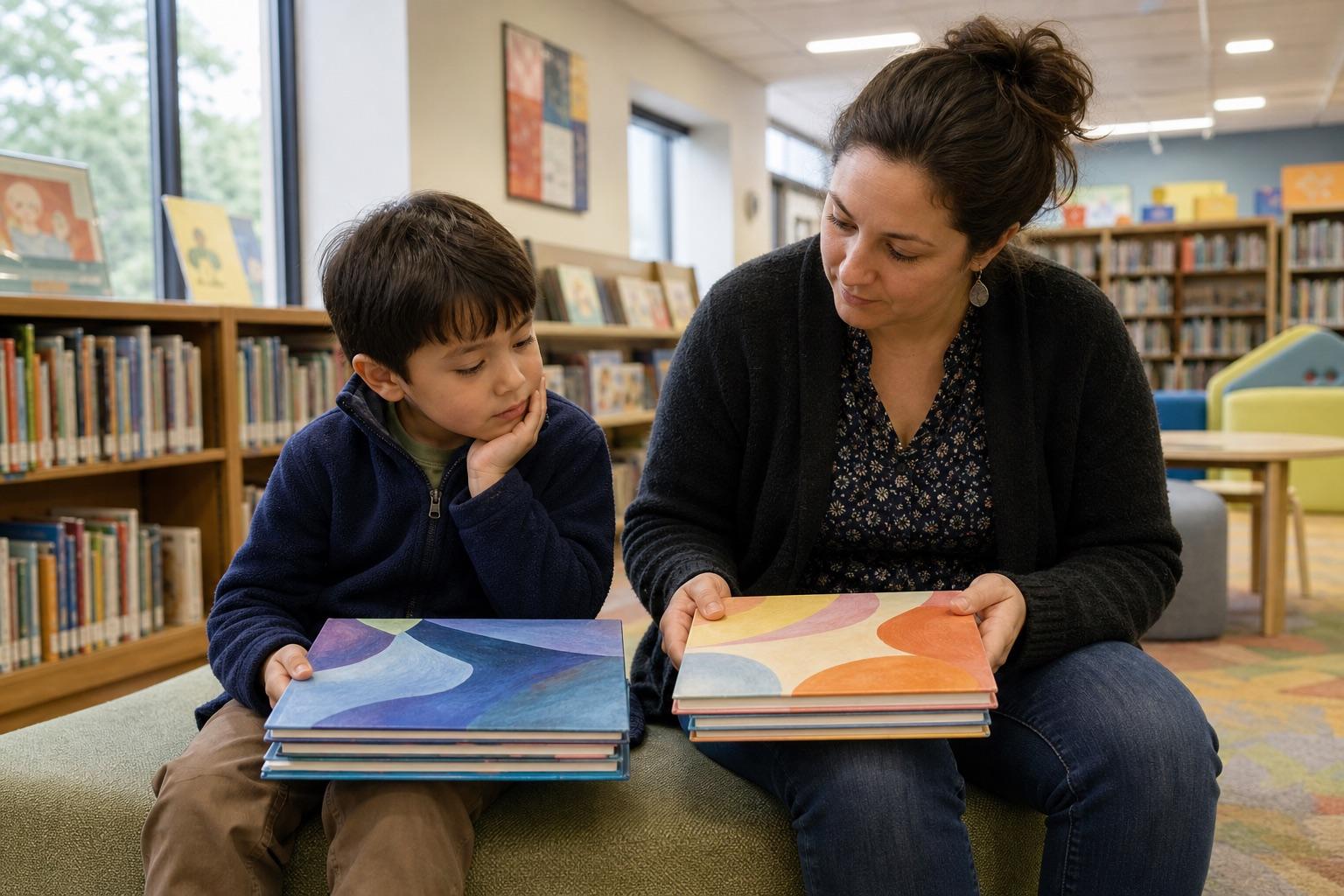
Decodable books are books specifically designed to help children practice phonics skills. They contain words that follow the letter-sound patterns children have already been taught.
For example, if a child has learned short vowel sounds and common consonant patterns, a decodable book may include words like:
- cat
- ship
- frog
- jump
The purpose of decodable books is to give children the opportunity to use decoding skills while reading connected text.
Instead of guessing a word based on a picture or context, children learn to:
- Look at the letters
- Apply phonics knowledge
- Blend sounds together
- Read the word independently
Decodable books help reinforce the idea that children can solve unfamiliar words using the skills they have learned.
To learn more about evidence-based reading instruction, explore our guide on Understanding the Science of Reading.
What Are Leveled Readers?
Leveled readers are books organized by reading difficulty. They are often categorized using systems such as letter levels or numbered levels that consider factors like:
- Sentence length
- Vocabulary complexity
- Text structure
- Word difficulty
The goal of leveled readers is to provide books that match a child’s current reading ability.
For example, an early reader may start with a simpler level and gradually move to more challenging books as their reading improves.
How Are Decodable Books and Leveled Readers Different?
The biggest difference between decodable books and leveled readers is the type of support they provide.
Decodable Books Focus on Phonics Skills
Decodable books are built around the idea that children learn to read by understanding how letters and sounds work together.
They help children practice:
- Phonemic awareness
- Phonics patterns
- Word decoding
- Sound blending
- Reading accuracy
Leveled Readers Focus on Text Difficulty
Leveled readers focus more on matching a child’s overall reading level.
They may consider:
- Vocabulary
- Sentence complexity
- Story structure
- Length of text
While this can be helpful, the books may include words with spelling patterns a child has not yet learned.
Why Are Decodable Books Important for Early Readers?
Research behind the Science of Reading emphasizes the importance of explicit phonics instruction and opportunities to apply those skills.
Children need practice reading words they can successfully decode. When children repeatedly experience success decoding words, they build:
- Accuracy
- Fluency
- Confidence
- Independence
Decodable books allow children to practice reading in a way that reinforces the skills they are learning.
Do Leveled Readers Have a Place in Reading Development?
Leveled readers can still support literacy development in certain ways. They can be useful for:
- Building reading enjoyment
- Practicing comprehension
- Exploring different topics
- Encouraging independent reading
However, they are most effective when paired with strong phonics instruction and opportunities for children to practice decoding.
A balanced reading environment includes both skill-building practice and opportunities to enjoy meaningful stories.
How Can Parents Choose the Right Books?
When choosing books for your child, consider their current reading skills.
For children who are learning foundational skills, look for books that:
- Match their phonics knowledge
- Allow them to practice decoding
- Include patterns they recognize
- Provide opportunities for success
For children who are more advanced readers, continue providing books that expand vocabulary, comprehension, and background knowledge.
Use Decodable Books to Build Confidence
Many early readers become frustrated when they encounter too many words they cannot read independently. Decodable books can help prevent this by giving children texts where they can apply their skills successfully.
When children can read words on their own, they experience important moments of confidence:
“I figured that out.”
“I know what to do when I see a new word.”
“I can read this story.”
These experiences help children develop a positive relationship with reading.
Learn more about the benefits of decodable texts in What Are Decodable Books and Why Are They Important?.
Personalized Reading Practice Supports Growth
Every child develops reading skills at a different pace. Some children need more support with phonics, while others need additional practice with fluency, comprehension, or vocabulary.
Personalized reading practice helps children focus on the skills they need most.
Literacy Leap provides individualized reading activities based on each child’s assessment results. Children receive personalized decodable passages and targeted skill practice designed around their current reading abilities.
Parents can also access progress reports that provide insight into their child’s strengths and areas for improvement.
Build a Strong Reading Foundation at Home
Understanding the difference between decodable books and leveled readers helps parents make better choices when supporting literacy development.
Decodable books give children practice applying phonics skills, while leveled readers can provide opportunities to build comprehension and enjoy reading experiences. Both approaches can play a role, but children learning foundational reading skills benefit from books that allow them to successfully decode words.
For more ways to support your child’s literacy journey, read How to Build a Consistent Reading Routine for Your Child.
If you want personalized reading support for your child, sign up for a free Literacy Leap account today. Literacy Leap helps children strengthen reading skills through personalized practice, decodable passages, and progress tracking.